


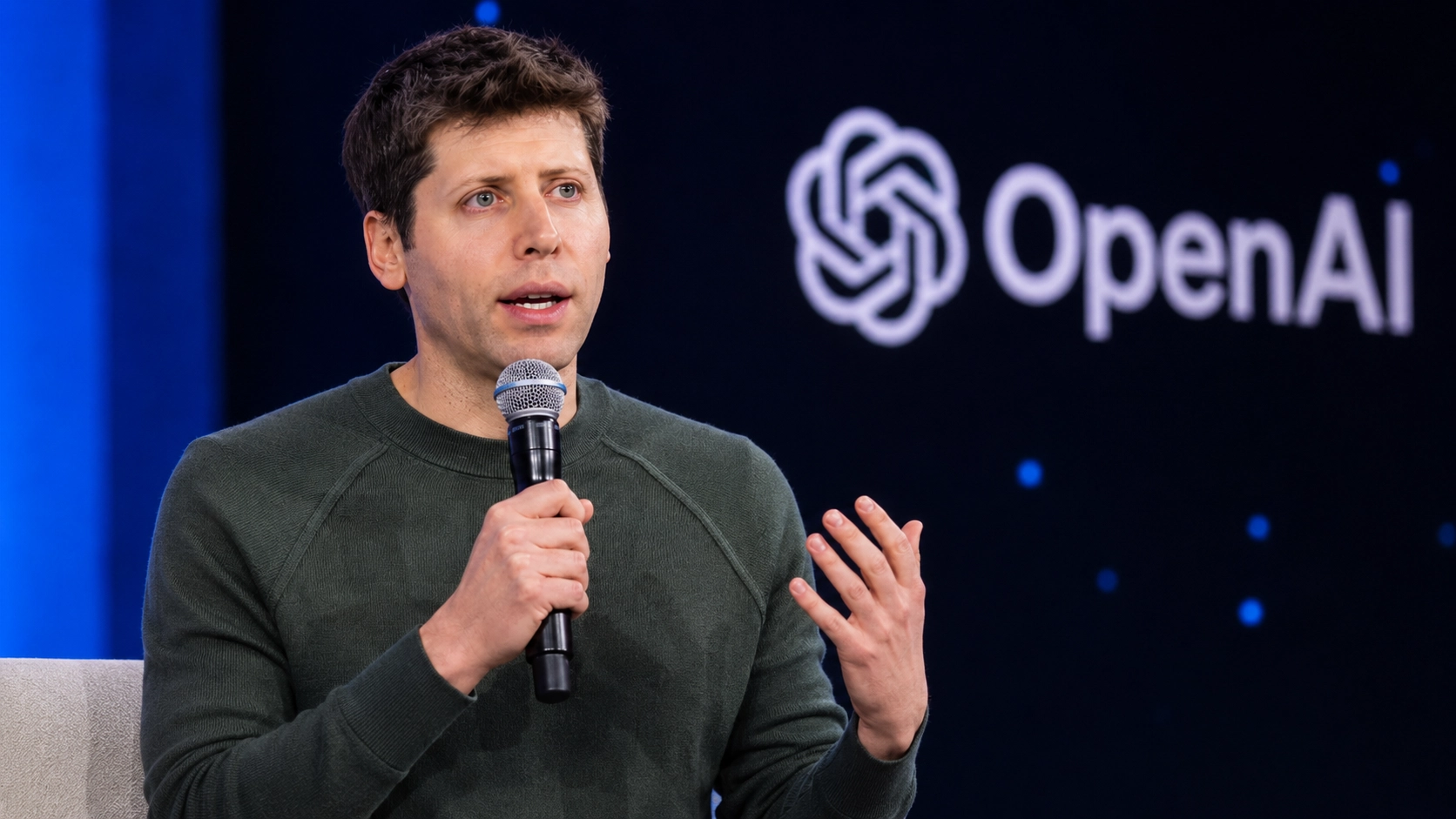
OpenAI CEO Sam Altman dropped an interesting number recently: the company’s top token user now goes through around 100 billion tokens a month. And apparently, someone outside OpenAI is burning through even more.
For casual users, that figure probably sounds abstract. But in AI, tokens are just the chunks of text a model reads and produces. Every prompt, reply, file summary, coding task, and document analysis chews through them. The more complex the work, the more tokens disappear.
A few years ago, usage at that scale was mostly by researchers and niche technical teams. Now AI handles coding, customer support, business writing, research, automation, and internal workflows across all kinds of companies. For heavy users, it stopped being a chatbot a while ago. It’s infrastructure.
Why 100 Billion Tokens Matters
Nobody hitting 100 billion tokens a month is just asking ChatGPT questions. That kind of volume points to large-scale workflows, long documents, repeated testing, automation pipelines, and constant experimentation running in parallel. It means AI is embedded deep inside how some companies operate.
For OpenAI, that’s both good news and a genuine problem. Heavy usage means people are getting real value out of the tools. It also raises an uncomfortable question: how much does serving that usage actually cost, and is the revenue keeping up?
OpenAI’s API pricing is partly token-based, so large-scale use gets expensive fast. That’s why AI budgets are becoming a real topic of conversation within companies. Early on, most teams were encouraged to experiment freely. Now finance teams are starting to ask whether every automated task is actually worth it.
AI Costs Are Becoming a Bigger Issue
The 100 billion token figure is striking, but the more interesting story is what happens as costs compound. Companies using AI across software development, customer service, content, and research can burn through tokens at a rate that’s hard to notice until the bill arrives.
So cost control is creeping up the priority list. Teams are tracking token usage more carefully, setting limits by department, routing simple tasks to cheaper models, and reserving the powerful ones for work that actually needs them. The goal isn’t to use less AI; it’s to stop using it carelessly.
For OpenAI and its competitors, this is the next challenge. Better models matter, obviously. But predictable pricing and clear ROI might matter just as much to the buyers writing the cheques.
Altman’s comment, intentional or not, confirms that AI has moved from experiment to operational dependency. Companies aren’t asking what AI can do anymore. They’re asking what it costs, whether it saves time, and whether the output actually improves anything.
The competition now runs on intelligence, speed, efficiency, and value. The companies that win won’t be the ones spending the most tokens. They’ll be the ones who have figured out what those tokens are actually worth.


0 Comments