


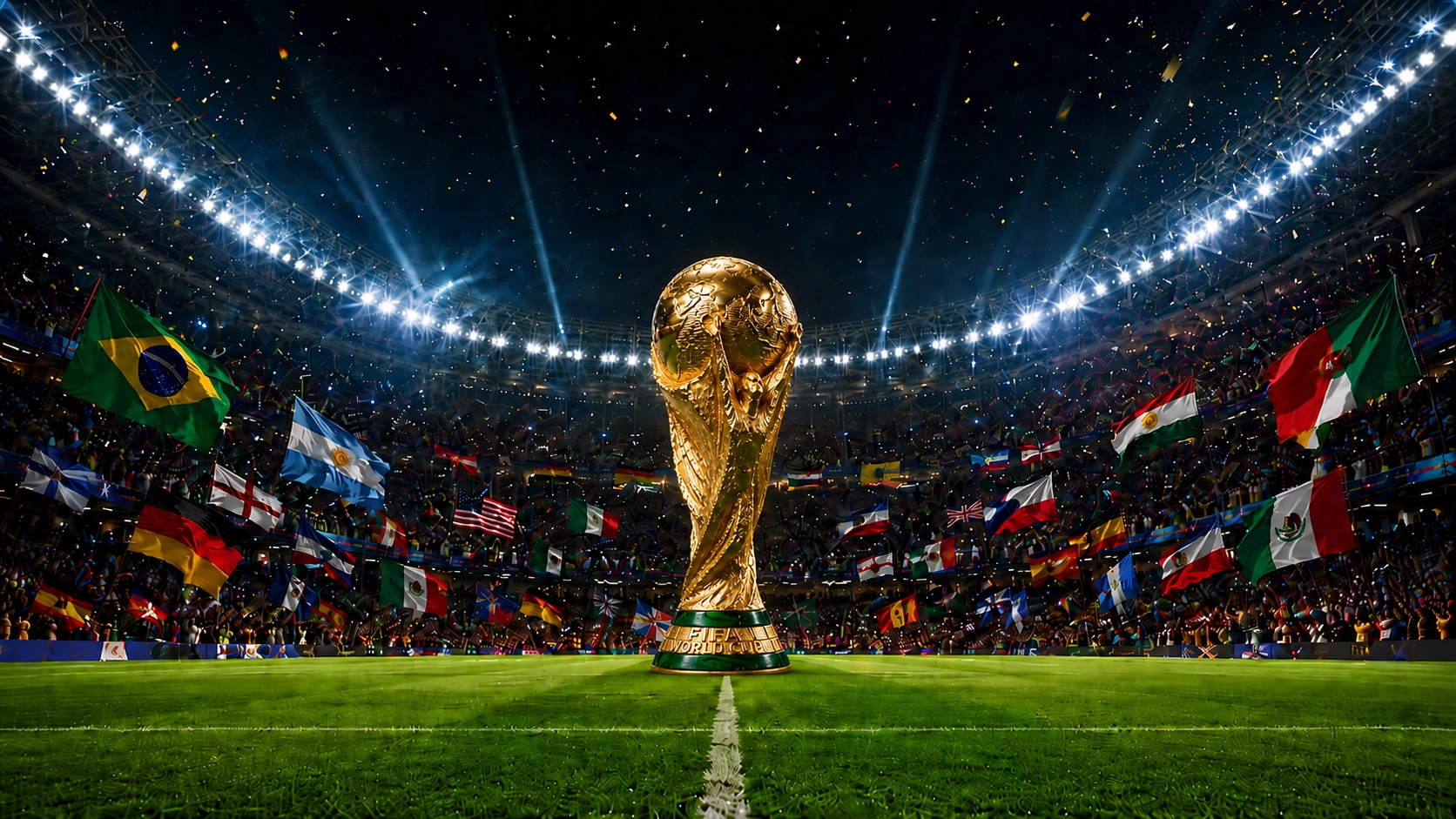
The FIFA World Cup 2026 is set to be the biggest edition in football history. For the first time, 48 nations will compete on the world stage, giving fans more teams, more stories, more styles of football, and more chances for surprise results. Hosted across the United States, Canada, and Mexico, this tournament won’t feel like a normal World Cup. It’ll feel like a global football festival spread across an entire continent.
The expanded format brings a new kind of excitement. Established giants such as Brazil, Argentina, France, Germany, Spain, Portugal, and England will arrive with trophy ambitions. At the same time, debutants and returning nations will see this tournament as a chance to write history. Some teams will chase the trophy, some will target the knockout rounds, and some will simply want to prove they belong at this level.
Fans can also follow the full World Cup 2026 match schedule to track group-stage fixtures, knockout rounds, venues, and key dates throughout the tournament. This guide clearly covers all 48 nations, focusing on football identity, tournament expectations, strengths, and what to watch for.
Group A: Mexico, South Africa, South Korea, Czechia
| Team | Key Player | Main Strength | What to Watch |
| Mexico | Santiago Giménez | Home support, attacking energy, and tournament experience | Can Mexico handle pressure as one of the host nations? |
| South Africa | Ronwen Williams | Goalkeeping, discipline, and team spirit | Can South Africa stay compact and take their chances? |
| South Korea | Son Heung-min | Speed, pressing, and quick transitions | Can South Korea turn their intensity into a knockout-place finish? |
| Czechia | Patrik Schick | Set pieces, structure, and physical presence | Can Czechia control tight matches and punish mistakes? |
Mexico
Mexico entered the tournament carrying both the pressure and the privilege of being a host nation. Their fans will expect energy, intensity, and a deep run; they always do. Mexico is competitive at World Cups, but moving past the first knockout round has been the stubborn wall they keep hitting. In 2026, home support could genuinely be their biggest weapon. It comes down to attacking sharpness, defensive calm, and how well they handle the emotional weight of playing in front of their own crowd.
South Africa
South Africa returns to rebuild their global football reputation. They’re not among the favorites, but they have the athleticism and team spirit to make matches uncomfortable. Their biggest job is staying organized against stronger opponents and finishing the chances that do come. A disciplined defensive shape and some belief could make them a stubborn side to deal with in the group.
South Korea
South Korea is one of Asia’s most respected World Cup teams. Their game is built on speed, work rate, discipline, and quick transitions. They’re experienced at this level and rarely look out of their depth against big names. The ability to compete with high intensity for 90 minutes is their greatest strength. If the attack clicks, a knockout-stage finish is realistic.
Czechia
Czechia brings European structure, tactical awareness, and technical quality. They don’t always get the attention bigger European nations receive, but they can control matches and punish defensive errors. Their strength is balance: organized at the back, intelligent in midfield, and direct when attacking. In a tight group, Czechia could quietly be the most awkward side to play against.
Group B: Canada, Bosnia and Herzegovina, Qatar, Switzerland
| Team | Key Player | Main Strength | What to Watch |
| Canada | Alphonso Davies | Pace, wide attacks, and home advantage | Can Canada turn home support into a strong tournament run? |
| Bosnia and Herzegovina | Edin Džeko | Experience, finishing, and leadership | Can Bosnia stay consistent across all three group matches? |
| Qatar | Akram Afif | Creativity, passing, and tournament experience | Can Qatar defend well against faster and stronger opponents? |
| Switzerland | Granit Xhaka | Organisation, midfield control, and discipline | Can Switzerland once again prove difficult to beat? |
Canada
Canada entered the tournament as a co-host with a growing football identity. Their modern squad is faster, more confident, and more ambitious than previous generations. Playing at home gives them a strong emotional boost, but it also creates pressure they haven’t faced at this level before. The main challenge is converting excitement into controlled performances. If they manage the big moments well, they can be one of the tournament’s most-followed stories.
Bosnia and Herzegovina
Bosnia and Herzegovina is a team with pride, technical ability, and emotional strength. They’re dangerous when their midfield controls the tempo and their forwards get the ball in good areas. Consistency across three matches could be their weakness. To advance, they’ll need defensive concentration and clinical finishing when it matters.
Qatar
Qatar has gained real World Cup experience in recent years. It knows how brutal elite international football can be, especially when facing teams with greater physical power and faster attacking play. Their aim in 2026 will be to show growth. Compact defending, patient passing, and sharper decision-making in the final third are what they need.
Switzerland
Switzerland is one of the most reliable tournament teams in Europe. They’re rarely dramatic, but they’re always difficult to beat. Organization, discipline, and intelligent game management define their style. They may not be the loudest team in the tournament, but they know how to survive group stages and frustrate opponents who expect a straightforward win.
Group C: Brazil, Morocco, Haiti, Scotland
| Team | Key Player | Main Strength | What to Watch |
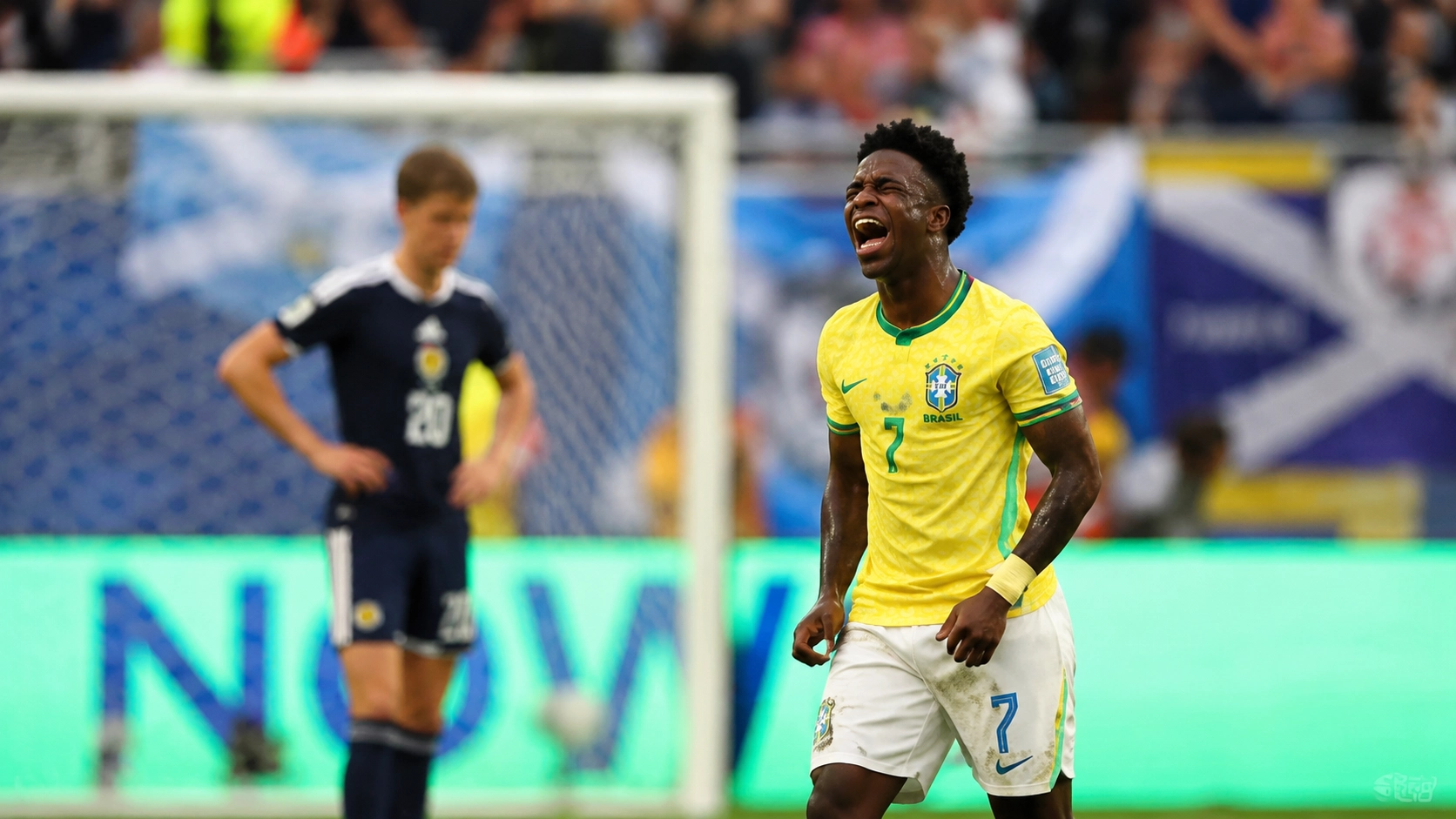
| Brazil | Vinícius Jr. | Flair, attacking depth, and individual quality | Can Brazil balance creativity with defensive control? |
| Morocco | Achraf Hakimi | Defensive discipline, pace, and counterattacks | Can Morocco perform again when expectations are higher? |
| Haiti | Duckens Nazon | Unity, emotion, and direct attacking play | Can Haiti compete strongly against elite opposition? |
| Scotland | Scott McTominay | Physicality, energy, and set-piece threat | Can Scotland turn passion into results? |
Brazil
Brazil arrives with history, pressure, and the eyes of the football world on them. No team carries World Cup tradition quite like they do. Their fans expect beautiful football, attacking stars, and a serious title challenge. But modern World Cups aren’t won by flair alone. Brazil will need defensive balance, midfield control, and mental toughness. Combine creativity with structure, and you’ve got one of the strongest contenders.
Morocco
Morocco enters with genuine respect after becoming one of the most impressive teams in recent international football. Their defensive discipline, fast counterattacks, and fearless mentality make them a real threat. The challenge is different now, though teams have studied them and no longer underestimate them. Morocco must prove it can perform when the expectations have shifted.
Haiti
Haiti is one of the tournament’s emotional stories. Their presence gives fans a fresh team to get behind. They may not have the squad depth of major football nations, but World Cups have always created space for brave underdogs. Unity, energy, and the ability to stay competitive under pressure will decide how far they go.
Scotland
Scotland brings passion, intensity, and one of the most loyal fan bases in world football. They’ll play with physical commitment and emotional energy that’s never in doubt. To actually progress, they need to add calmness to the fight. Defend well, use set pieces effectively, and they can make Group C far more complicated than anyone expects.
Group D: United States, Paraguay, Australia, Türkiye
| Team | Key Player | Main Strength | What to Watch |
| United States | Christian Pulisic | Pace, pressing, and home support | Can the U.S. stay consistent under major home pressure? |
| Paraguay | Julio Enciso | South American toughness and counterattacking danger | Can Paraguay create enough chances against stronger teams? |
| Australia | Harry Souttar | Defensive strength, aerial power, and resilience | Can Australia stay organised against faster attacking sides? |
| Türkiye | Arda Güler | Creativity, technical quality, and attacking spark | Can Türkiye balance attacking bravery with defensive discipline? |
United States
The United States entered the tournament with major expectations as hosts. Their squad has more international experience than most previous American teams, and the pressure to perform at home is enormous. Athleticism, pace, and confidence are their real strengths. Consistency is the challenge. If they stay composed when the big moments arrive, they can make a serious run.
Paraguay
Paraguay brings South American toughness and defensive discipline. They’re the kind of team that makes life genuinely uncomfortable for sides that prefer open, attacking football. They may not dominate possession, but they can defend deep, disrupt rhythm, and hit quickly on the break. Patience and clinical finishing will decide their tournament.
Australia
Australia is built on fighting spirit, physical strength, and resilience. They usually outperform expectations because they’re organized and mentally tough. Their biggest advantage is staying competitive even against technically superior teams. Strong goalkeeping, set-piece quality, and defensive discipline are what they need to progress.
Türkiye
Türkiye is one of the most unpredictable teams in the tournament. They have technical talent, emotional intensity, and the ability to produce exciting football. When they’re organized, they can trouble strong sides. When they lose control, matches can unravel quickly. The balance between attacking bravery and defensive responsibility will define their tournament.
Group E: Germany, Curaçao, Côte d’Ivoire, Ecuador
| Team | Key Player | Main Strength | What to Watch |
| Germany | Jamal Musiala | Technical quality, movement, and midfield creativity | Can Germany return to their traditional World Cup level? |
| Curaçao | Tahith Chong | Speed, pride, and underdog motivation | Can Curaçao stay compact against stronger opponents? |
| Côte d’Ivoire | Franck Kessié | Physical power, midfield strength, and athleticism | Can Côte d’Ivoire stay tactically disciplined? |
| Ecuador | Moisés Caicedo | Pressing, energy, and midfield aggression | Can Ecuador turn their intensity into goals? |
Germany
Germany arrives with something to prove. Their history is packed with World Cup success, but recent tournaments haven’t always matched that standard. Structure, efficiency, and mentality have always been their hallmarks. In 2026, they need to show they still belong among the elite. If the young talent and experienced heads connect well, they’re a genuine title threat again.
Curaçao
Curaçao is one of the great underdog stories of this World Cup. For a small nation, just reaching this stage is already historic. But they won’t want to be remembered only for turning up. Staying compact, competing physically, and making the most of every attacking moment is their game plan. Their matches will carry huge pride.
Côte d’Ivoire
Côte d’Ivoire brings power, pace, and the quality of African football. They have players who can change games through strength and individual skill. Maintaining tactical discipline is their biggest challenge. Defend with focus, attack with confidence, and they can be one of the stronger African sides in the tournament.
Ecuador
Ecuador is energetic, aggressive, and genuinely difficult to play against. They press well, move quickly, and compete physically. Their young talent gives them a strong base. Their style can trouble European teams, especially if they win midfield battles and attack with speed.
Group F: Netherlands, Japan, Sweden, Tunisia
| Team | Key Player | Main Strength | What to Watch |
| Netherlands | Virgil van Dijk | Defensive leadership and tactical control | Can the Netherlands turn control into ruthless results? |
| Japan | Takefusa Kubo | Quick passing, pressing, and technical movement | Can Japan make a deeper knockout-stage run? |
| Sweden | Alexander Isak | Striking quality, movement, and physical presence | Can Sweden create enough chances in tight matches? |
| Tunisia | Hannibal Mejbri | Energy, discipline, and midfield fight | Can Tunisia add enough attacking threat to their defensive shape? |
Netherlands
The Netherlands are always talked about in the same breath as attractive football and tactical intelligence. They’ve reached major finals before, but the World Cup has stayed out of reach. Their 2026 team is expected to play with control, creativity, and confidence. The real question is whether they can turn that style into the ruthless results tournaments demand.
Japan
Japan is one of the most improved teams in world football over the past decade. They play with discipline, quick passing, sharp movement, and strong pressing. They’ve shown they can beat elite teams when their rhythm is right. A deeper knockout run is the next target; they’re no longer just hoping to compete; they’re capable of upsetting major nations.
Sweden
Sweden is organized, physically strong, and tournament-experienced. They’re hard to break down and dangerous from set pieces. The football isn’t always flashy, but it’s effective. Defensive stability and the ability to create clear scoring chances will decide how far they go.
Tunisia
Tunisia is experienced, disciplined, and passionate. Their defensive structure can frustrate stronger teams, but their attacking output will matter. In a group with technically strong opponents, they need to be brave enough to attack when openings appear. One surprise result could change their entire tournament.
Group G: Belgium, Egypt, Iran, New Zealand
| Team | Key Player | Main Strength | What to Watch |
| Belgium | Kevin De Bruyne | Creativity, passing range, and experience | Can Belgium’s new phase still compete with elite teams? |
| Egypt | Mohamed Salah | Speed, finishing, and counterattacking threat | Can Egypt create enough support around Salah? |
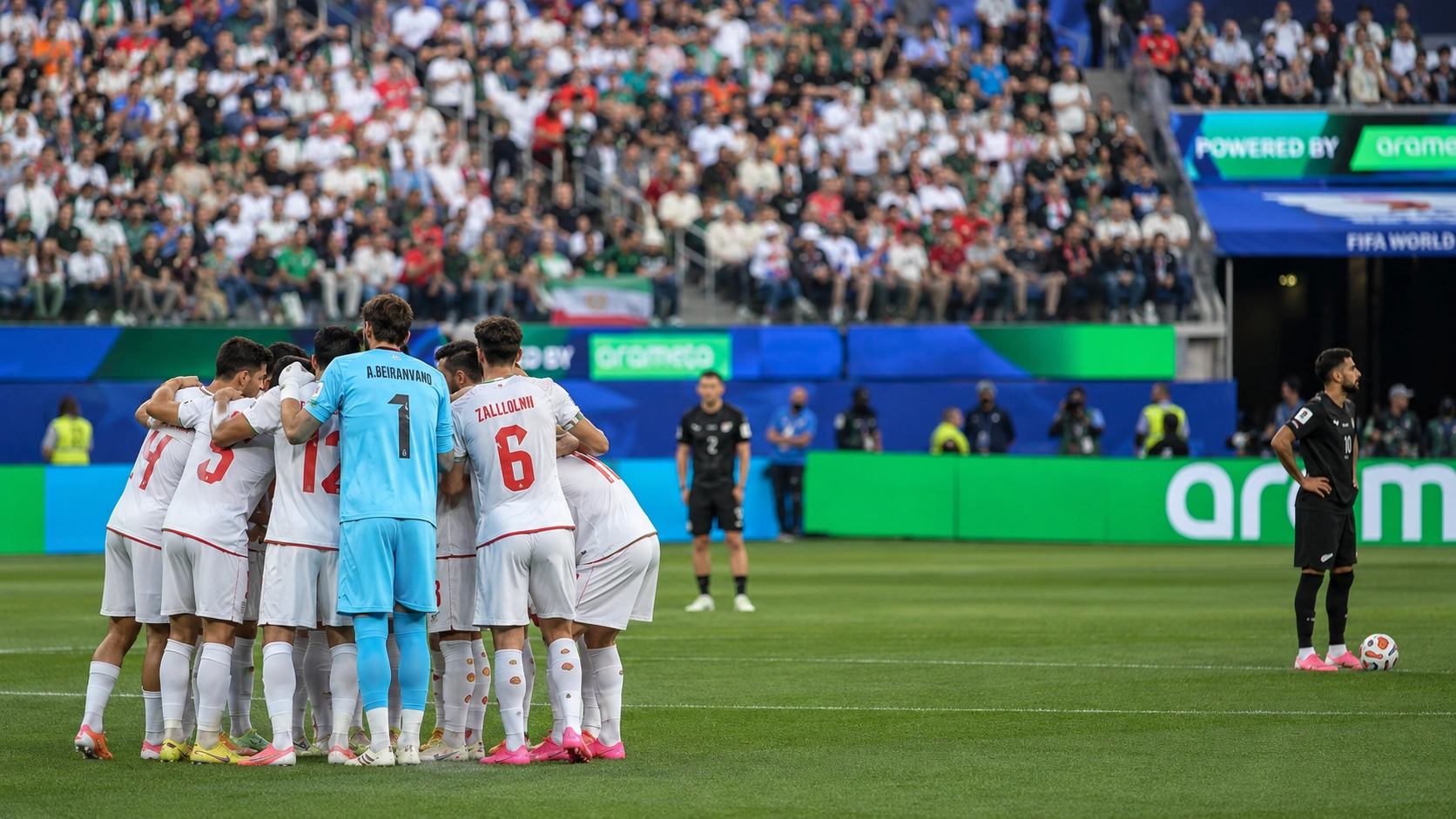
| Iran | Mehdi Taremi | Experience, movement, and finishing | Can Iran create enough attacking moments from limited possession? |
| New Zealand | Chris Wood | Aerial strength, direct play, and set pieces | Can New Zealand keep games close and frustrate opponents? |
Belgium
Belgium is in a new phase after years defined by a golden generation. The attacking quality and technical ability are still there, but the team needs to show it can evolve. The challenge is mixing experience with new energy. Get that balance right, and they’re still dangerous.
Egypt
Egypt brings huge football passion and a strong African pedigree. Their style leans on defensive organization, quick transitions, and key attacking moments. Whether the main attacking players receive proper support from the rest of the team will likely determine the team’s tournament. Stay disciplined, and they can push for qualification.
Iran
Iran is experienced at this level and hard to beat when organized. They defend with discipline and compete physically. Their challenge is creating enough attacking threat against teams with more possession. Stay compact, use counterattacks effectively, and they can make life difficult for anyone.
New Zealand
New Zealand enters as underdogs, but they have a clear identity. Strong, direct, and hardworking. The aim will be to keep matches tight and use set pieces or aerial strength to create chances. Stay disciplined, and they can frustrate teams that come in expecting an easy three points.
Group H: Spain, Cape Verde, Saudi Arabia, Uruguay
| Team | Key Player | Main Strength | What to Watch |
| Spain | Lamine Yamal | Youth, creativity, and technical control | Can Spain turn possession into goals? |
| Cape Verde | Ryan Mendes | Experience, pride, and attacking moments | Can Cape Verde adjust quickly to World Cup intensity? |
| Saudi Arabia | Salem Al-Dawsari | Energy, bravery, and counterattacks | Can Saudi Arabia produce consistent performances across the group? |
| Uruguay | Federico Valverde | Intensity, midfield power, and leadership | Can Uruguay combine fight with clinical finishing? |
Spain
Spain is still one of the most technically gifted teams in the tournament. Possession, movement, and intelligent passing are their game. In recent years, they’ve added more pace and direct attacking options too. The challenge is turning control into goals more consistently. Become more clinical, and they can go very far.
Cape Verde
Cape Verde is another inspiring story in this tournament. Their qualification shows how football is growing beyond the traditional powerhouses. They have players with European experience and enough confidence to compete. The speed and pressure of World Cup football will be the biggest test. Even one strong performance could become historic.
Saudi Arabia
Saudi Arabia has already proven it can shock major teams on the World Cup stage. Energy, bravery, and quick attacking transitions are their strengths. But to progress in 2026, they need consistency across all three group matches; one famous win isn’t enough. A complete group-stage performance is what they’re after.
Uruguay
Uruguay is a small nation with a massive World Cup identity. Their football is built on toughness, pride, and competitive spirit. They may not dominate games, but they know how to survive difficult moments. Attacking quality and defensive fight, it won’t be easy to push them around.
Group I: France, Senegal, Iraq, Norway
| Team | Key Player | Main Strength | What to Watch |
| France | Kylian Mbappé | Pace, finishing, and world-class squad depth | Can France manage pressure as one of the favourites? |
| Senegal | Sadio Mané | Experience, pace, and attacking leadership | Can Senegal challenge the elite teams in big moments? |
| Iraq | Aymen Hussein | Physical presence, finishing, and passion | Can Iraq stay organised under long periods of pressure? |
| Norway | Erling Haaland | Goal scoring, power, and direct attacking threat | Can Norway build enough balance around Haaland? |
France
France enters as one of the strongest teams in the tournament. Squad depth is impressive across defense, midfield, and attack. They’re dangerous because they can win matches in different ways through pace, control, physicality, or individual quality. Managing expectations and avoiding complacency are their biggest internal challenges.
Senegal
Senegal is one of Africa’s most complete teams. Strength, pace, experience, and belief, they have all of it. Their defensive organization and attacking speed make them a real threat. Senegal won’t be happy being cast as outsiders. They have the quality to reach the knockout rounds and genuinely trouble bigger names.
Iraq
Iraq returns with pride and passionate support. Their tournament is about discipline, concentration, and making the most of limited chances. They’ll likely defend for long periods against stronger opponents, but staying organized and using set pieces well can keep matches competitive.
Norway
Norway is one of the most exciting teams to watch, purely because of their attacking talent. They have players who can change games quickly. The question is whether they can build a complete team around that. Find the right balance between attack and defense, and Norway could be one of the tournament’s most dangerous dark horses.
Group J: Argentina, Algeria, Austria, Jordan
| Team | Key Player | Main Strength | What to Watch |
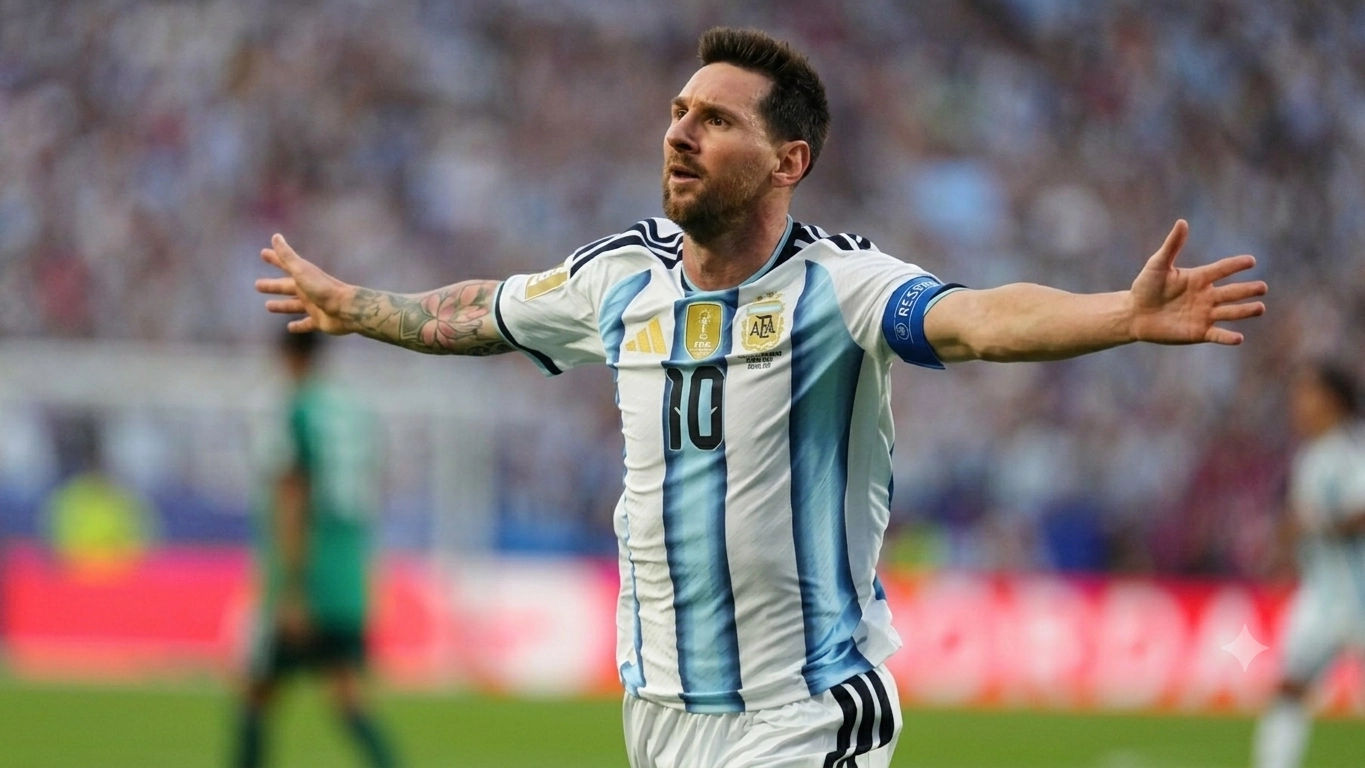
| Argentina | Lionel Messi | Experience, mentality, and attacking intelligence | Can Argentina defend their World Cup crown? |
| Algeria | Riyad Mahrez | Creativity, dribbling, and final-third quality | Can Algeria avoid defensive mistakes in key moments? |
| Austria | Marcel Sabitzer | Pressing, structure, and midfield energy | Can Austria turn tactical discipline into goals? |
| Jordan | Mousa Al-Tamari | Speed, directness, and historic motivation | Can Jordan compete physically with more established teams? |
Argentina
Argentina arrives as defending champions, carrying all the weight that comes with it. Their recent success has brought confidence and belief, but repeating World Cup glory is one of the hardest things to do in football. Mentality, team unity, and attacking intelligence are their strengths. Staying hungry after reaching the top is the real challenge.
Algeria
Algeria brings skill, pace, and emotional intensity. Their attackers can be dangerous when they find space, and their midfield plays with confidence. Avoiding mistakes in key moments will be crucial. In a difficult group, discipline could matter as much as talent.
Austria
Austria is a tactically modern team, energetic, pressing, and well-structured. They make matches uncomfortable through aggressive organization. They may not have the same global name recognition as bigger European sides, but they’re genuinely hard to play against and are a strong competitor for second place in the group.
Jordan
Jordan is making their World Cup debut with pride and excitement. For the players and fans, this is historic. They enter as clear underdogs, but that can create a sense of freedom. The aim will be to compete bravely, stay compact, and create some memorable moments against more established teams.
Group K: Portugal, DR Congo, Uzbekistan, Colombia
| Team | Key Player | Main Strength | What to Watch |
| Portugal | Cristiano Ronaldo | Experience, finishing, and global star power | Can Portugal find the right balance in a talented squad? |
| DR Congo | Yoane Wissa | Pace, power, and attacking movement | Can DR Congo stay organised defensively? |
| Uzbekistan | Eldor Shomurodov | Leadership, discipline, and historic motivation | Can Uzbekistan create enough chances at this level? |
| Colombia | Luis Díaz | Flair, speed, and attacking creativity | Can Colombia defend well enough to make a deep run? |
Portugal
Portugal has one of the most talented squads in the tournament. Technical quality, attacking depth, and experience are all there. They have match-winners across several positions, which makes them hard to plan against. The challenge isn’t talent; it’s finding the right balance and actually playing as a complete team.
DR Congo
DR Congo brings power, athleticism, and real motivation. Their players can compete physically with almost anyone. Defensive organization and calm decision-making in attack are what they need. Combine strength with discipline, and they become a genuine problem for opponents.
Uzbekistan
Uzbekistan is making history with its first World Cup appearance. Their progress shows the growth of Central Asian football. Structure, teamwork, and disciplined defending will be the foundation. Their aim won’t just be showing up; they’ll want to show they can compete.
Colombia
Colombia is full of flair, rhythm, and attacking confidence. When they’re playing well, they’re one of the most entertaining teams in the tournament. Creativity is their strength, but defensive balance will decide how far they go. The quality is there to challenge Portugal and make a deep run if the key players show up.
Group L: England, Croatia, Ghana, Panama
| Team | Key Player | Main Strength | What to Watch |
| England | Jude Bellingham | Midfield power, creativity, and big-match confidence | Can England handle pressure in decisive moments? |
| Croatia | Luka Modrić | Experience, control, and tournament intelligence | Can Croatia’s experienced core produce another strong run? |
| Ghana | Antoine Semenyo | Pace, athleticism, and attacking energy | Can Ghana stay balanced between attack and defence? |
| Panama | Adalberto Carrasquilla | Work rate, organisation, and team spirit | Can Panama compete strongly as underdogs? |
England
England arrive with one of the strongest squads on paper. Elite attacking talent, creative midfielders, and growing tournament experience, it’s all there. But England’s biggest opponent has often been the weight of expectation. Managing pressure and turning quality into decisive performances is the task at hand. Stay calm in the knockout moments, and they can genuinely challenge for the trophy.
Croatia
Croatia has become a master of tournament football. Their recent World Cup record proves that experience, midfield control, and mental strength take you further than a stacked squad alone. Even as the squad evolves, they remain dangerous because they understand how to manage tough matches. Underestimate them at your peril.
Ghana
Ghana brings energy, athleticism, and a proud World Cup history. The fans will expect passion and bravery. Finding a defensive balance while still using pace in attack is the challenge. Stay organized, and they can compete strongly in a tough group.
Panama
Panama enters as underdogs, but they see the tournament as a chance to grow and surprise. Their football will be built on organization, physical effort, and team discipline. They may not be expected to advance, but World Cups have a habit of rewarding teams that defend together, work hard, and believe in one big moment.
What Fans Should Expect from the 2026 World Cup
The 2026 World Cup is different because the expanded format gives more teams a genuine shot at success. With more nations involved, fans will see a wider mix of football cultures: possession-based football, aggressive pressing, deep defending, counterattacks, and set-piece specialists.
The tournament will also test squad depth in ways previous editions didn’t. Matches spread across a large continent mean venues, travel, weather, and recovery will all play a role. The best teams won’t only need star players; they’ll need smart planning, fitness management, and tactical flexibility.
Fans who want to follow every match can check the live scores and fixtures page, which is useful for tracking match dates, results, group standings, and knockout progress.
Biggest Title Contenders
France, Brazil, Argentina, Spain, England, Portugal, Germany, and the Netherlands will naturally be seen as the main contenders. History, talent, and experience support that. But winning the World Cup takes more than a strong squad; it takes timing, mentality, fitness, and the ability to survive the moments that go wrong.
Teams That Could Surprise
Morocco, Senegal, Japan, Colombia, Uruguay, Croatia, Switzerland, Norway, and Ecuador all have enough quality to damage the plans of bigger nations. They may not be favorites, but on the right day, they can beat anyone. In a tournament with 48 teams, the dark horses could play a bigger role than ever.
Travel, Tickets, and Matchday Experience
For supporters planning to attend, this tournament is also a serious logistical project. The official World Cup 2026 ticket information can help fans stay up to date on ticket availability, while FIFA’s venue information gives a clearer picture of where matches will be played across North America.
Because the event spans three countries, planning early flights, accommodation, local transport, and stadium access all needs thought. This World Cup is bigger than any previous edition, and preparation will matter almost as much as passion.
Final Thoughts
The World Cup 2026 will be remembered as the tournament where football opened its doors wider than ever. Champions, challengers, debutants, underdogs, and teams chasing redemption- they’re all here.
Every nation has a different mission. Some want the trophy, some want the knockout rounds, and some want one unforgettable win. That’s what makes this tournament worth following. It’s not only about the biggest names, but it’s also about the stories behind every team, every fan base, and every dream. With 48 nations competing, 2026 promises to be bigger, louder, and more unpredictable than anything before it.
0 Comments