


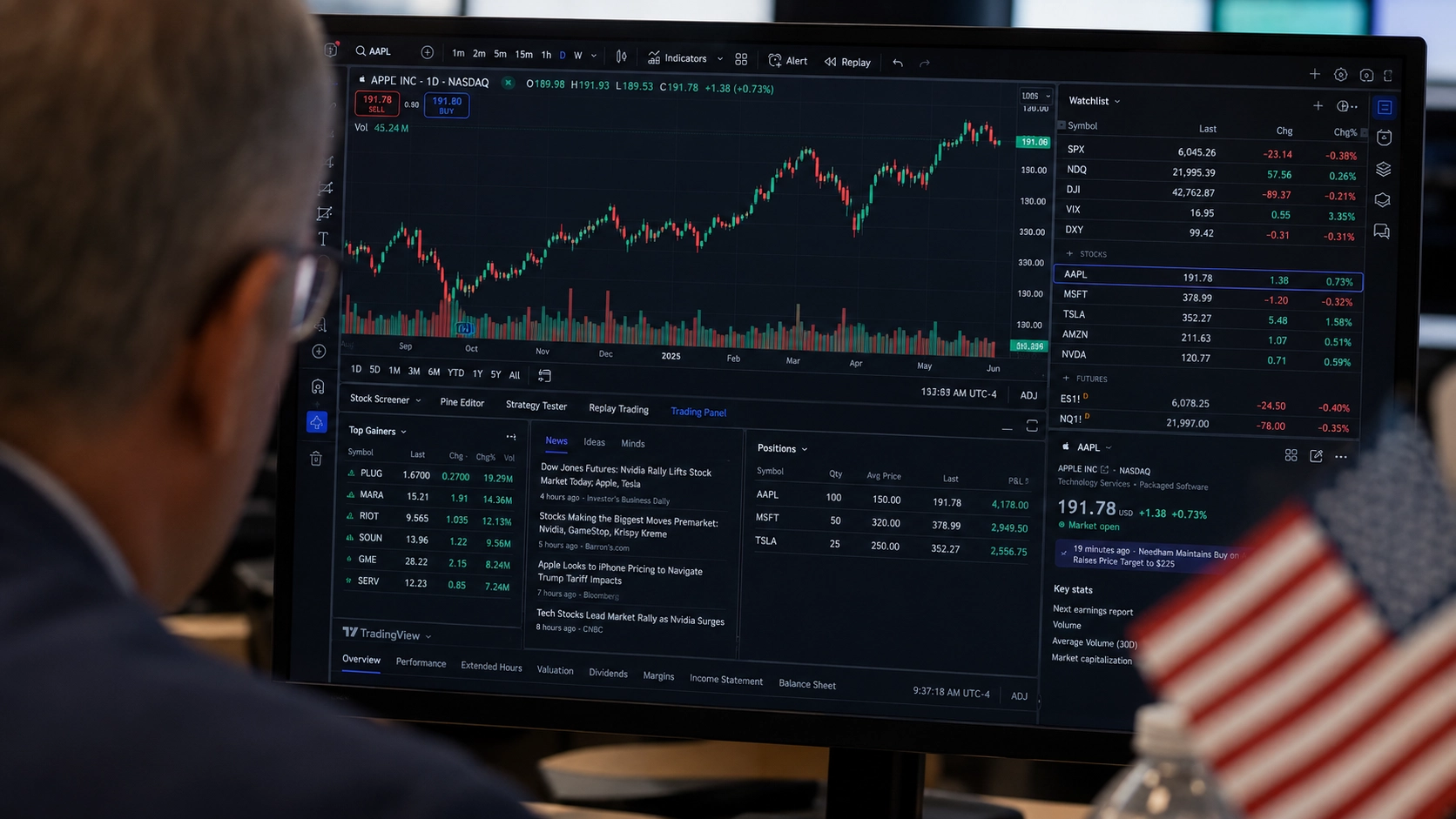
Global markets rallied hard after the United States and Iran reached a preliminary peace agreement, and oil prices dropped sharply on the news. Major indexes hit record highs as investors who’d spent weeks worried about energy supply, inflation, and geopolitical risk suddenly piled back into riskier assets.
Oil markets moved first and hardest. Brent crude and US crude prices fell as traders started pricing out the conflict risk that had been baked in for weeks. The deal raised hopes that the Strait of Hormuz, one of the most critical energy routes on the planet, could stay fully open and let oil flows normalize.
For investors, this changed the mood almost overnight. Rising oil prices had been one of the biggest worries hanging over markets, since expensive energy feeds inflation, squeezes consumers, and makes central banks reluctant to cut rates. Cheaper oil works the other way, easing pressure on households, businesses, and policymakers all at once.
That’s why the reaction was so sharp. Stocks rose across Europe, Asia, and the US as traders priced out the risk of an energy shock. Tech, consumer names, airlines, travel companies, and other rate-sensitive sectors all caught a bid as attention shifted back to growth.
Why Oil Prices Fell So Quickly
Oil is a fear-driven market in a way few other commodities are. When tensions rise in the Middle East, traders price in the possibility of disrupted shipping, production, or exports, often well before any of that actually happens. Just the risk alone is enough to push prices up.
The peace deal took a lot of that risk premium back out. If the agreement holds and the Strait stays open, global oil supply looks far more predictable, and the geopolitical markup built into prices during the standoff starts unwinding.
There’s a knock-on effect for inflation too. Energy costs touch transportation, manufacturing, food, and pretty much everything consumers buy. When oil drops, inflation expectations tend to ease with it, which gives central banks like the Federal Reserve and the European Central Bank more room to consider a softer policy stance.
That’s part of why bond yields fell too. Less inflation risk often means markets start pricing in rate cuts sooner, or expect rates to stay lower for longer. Lower oil, lower yields, less geopolitical risk, that combination is about as good as it gets for stocks.
Markets Welcome the Relief Rally
The size of the rally reflects how much the markets had been waiting for exactly this kind of news. Uncertainty is what investors hate most, and the US-Iran standoff had raised real questions about energy security, shipping safety, and where inflation was headed next.
Once the agreement was announced, that uncertainty started unwinding fast. Europe’s STOXX 600 hit record territory, Wall Street gained as oil slid, and Asian markets, particularly the big oil-importing economies, benefited too. For countries that rely heavily on imported energy, cheaper crude tends to improve trade balances, lower business costs, and lift consumer confidence pretty quickly.
This risk-on mood also lands at a moment when investors are watching some major market moves elsewhere. For more on that, see our coverage of a historic IPO market debut.
That said, nobody should mistake this for the risks being fully gone. Peace agreements involving military, nuclear, and regional security issues are notoriously fragile. The real test is whether both sides follow through and whether shipping actually returns to normal without new flashpoints.
There’s also a lag question. Even if the politics calm down quickly, physical energy systems don’t reset overnight; shipping routes, insurance pricing, supply chains, and refinery scheduling can all take time to catch up with the new reality on the ground.
What This Means for Investors
The takeaway from markets right now is fairly straightforward: lower energy risk is good for growth. If oil stays cheaper, companies face less cost pressure, consumers have more room in their budgets, and central banks have more flexibility.
The sectors that stand to gain the most are the ones that live and die by fuel costs and consumer sentiment: airlines, shipping, retail, manufacturing, and travel. Tech could also benefit indirectly if lower inflation expectations support the kind of valuations growth stocks need.
Energy companies are the obvious exception. Producers tend to benefit when geopolitical risk pushes prices higher, so a durable peace deal removing that tailwind means investors will go back to focusing on the fundamentals, supply, demand, and how disciplined producers are with output.
The bigger lesson here is one that markets relearn periodically: geopolitics can move everything, fast. One diplomatic breakthrough reshuffled expectations across oil, currencies, bonds, and equities almost overnight. In this case, it turned weeks of anxiety into one of the better trading days investors have had in a while.
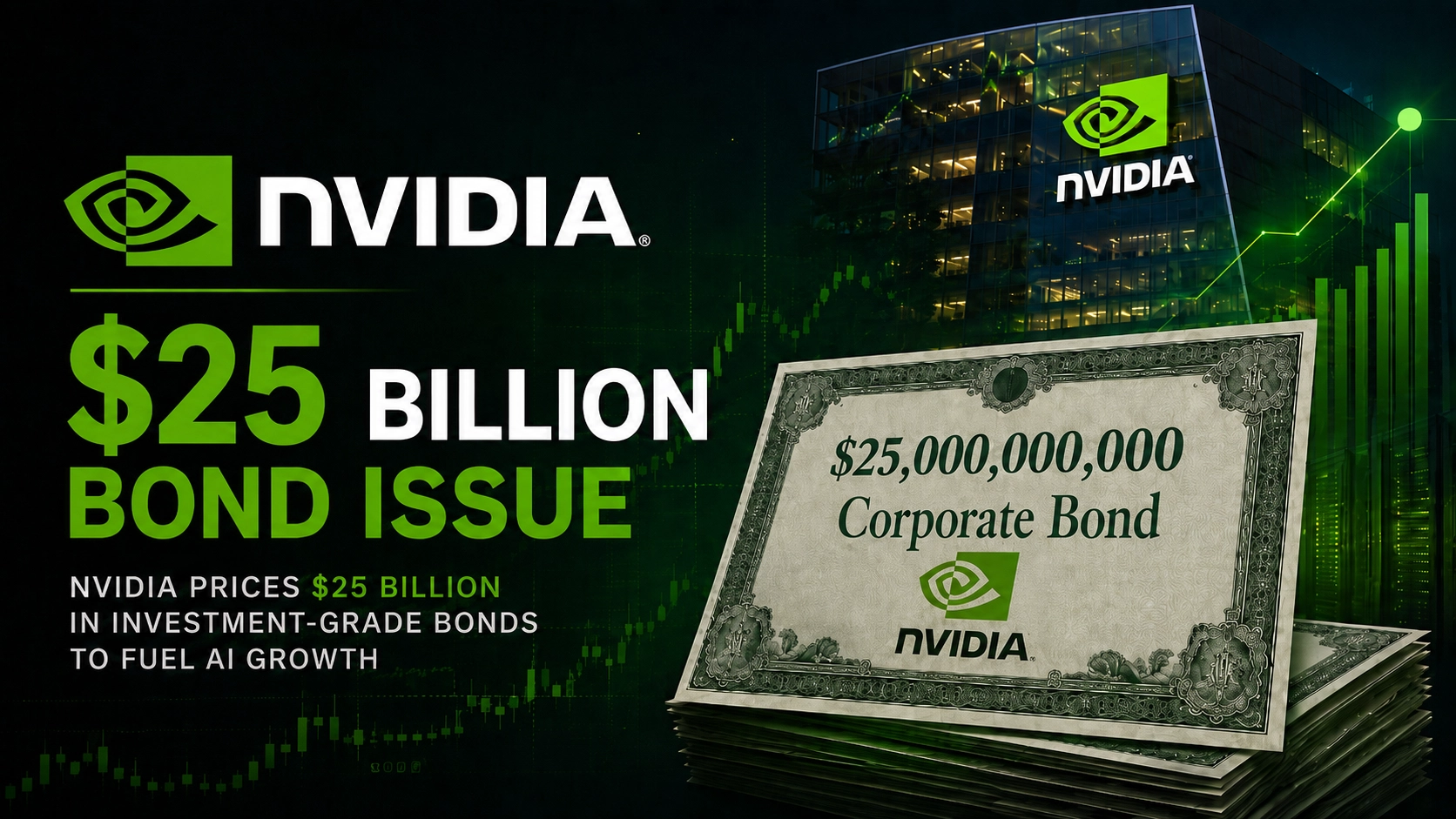
This also comes at a time when investors are paying close attention to how companies are financing growth and managing spending decisions. For more on that, see our analysis on Big Tech financing trends.
The next few days matter. Investors will be watching for confirmation that the deal sticks, that the Strait stays open, and that oil doesn’t snap back higher on some new development. If all that holds, there’s room for this rally to keep going.
For now, though, markets got a combination they’ve been waiting for: falling oil, easing geopolitical tension, and a reason to believe in growth again. Not every problem is solved. But investors got the one thing they wanted most: a reason to take the risk back on.

0 Comments