


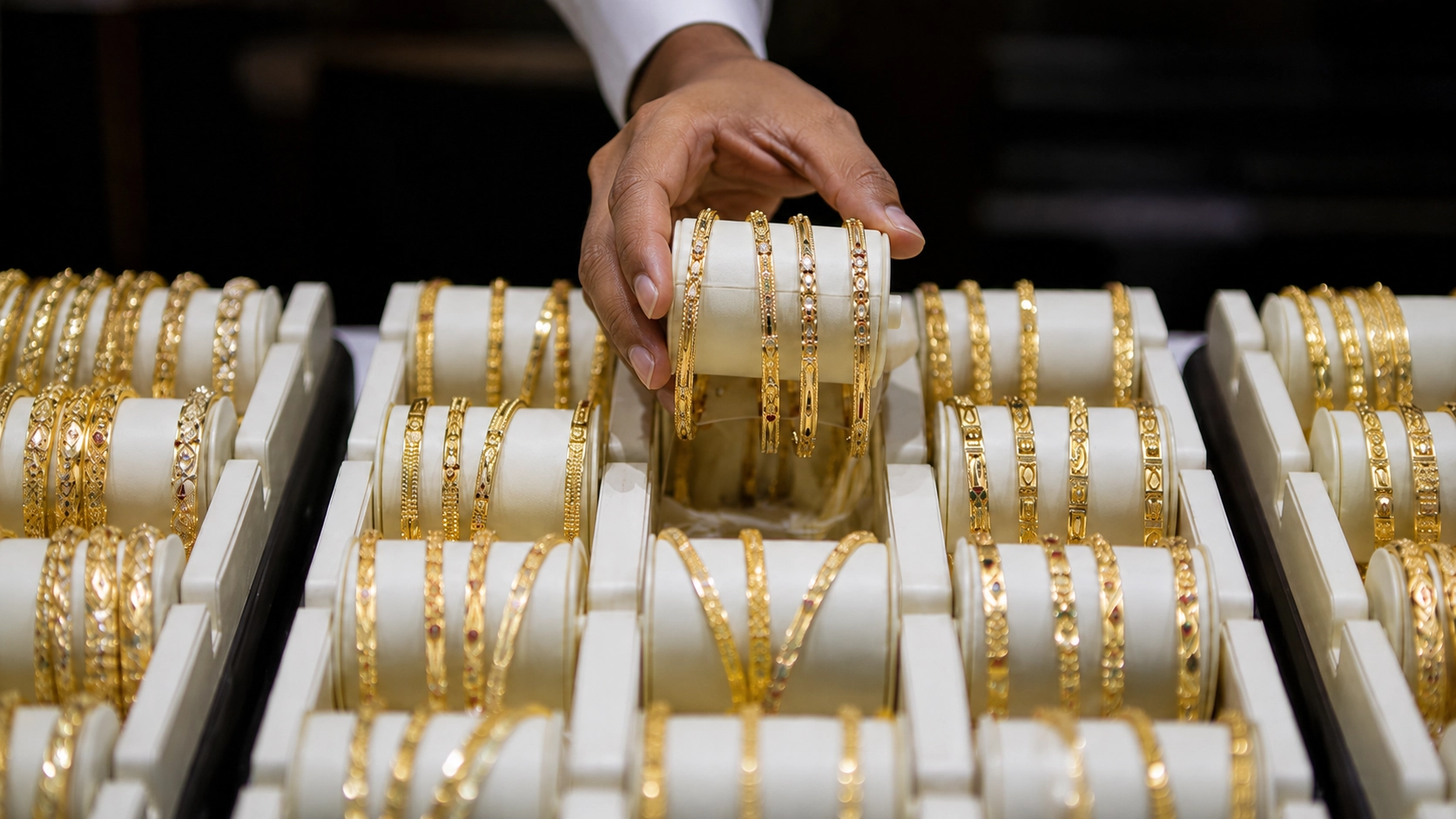
Gold jumped more than 2% on Thursday after a disappointing US jobs report took some of the heat off expectations that the Federal Reserve would raise rates again this year, giving bullion exactly the kind of relief it’s been waiting for.
Spot gold climbed 2.2% to $4,116.54 per ounce, while US gold futures settled 1.1% higher at $4,125.70. After weeks of pressure from a stronger dollar and mounting fears of rate hikes, the metal finally had a reason to move in the other direction.
The catalyst was the US Bureau of Labor Statistics reporting that the economy added just 57,000 jobs in June, well short of the 110,000 economists had expected, with unemployment at 4.2%. That miss was significant enough to shift how traders are thinking about September.
The CME FedWatch Tool showed the probability of a September rate hike dropping to around 51% from 66% before the report landed. For gold, that’s a meaningful shift. The metal doesn’t pay interest, so it tends to struggle when rates are expected to climb and improve when that pressure eases. Fewer expected hikes mean the opportunity cost of holding bullion declines, bringing buyers back.
The dollar moved in gold’s favor too. The dollar index fell 0.5% after the jobs data, making gold cheaper for international buyers and adding another layer of support. Other metals caught the same wave; silver rose 2.6% to $60.69, platinum gained 2.6% to $1,617.00, and palladium climbed a sharp 4.7% to $1,267.14.
This comes after a rough stretch for gold. The metal just wrapped up its worst quarterly decline since 2013, ground down by rate-hike expectations, dollar strength, and investors piling into equities instead of safe havens. Thursday’s rally doesn’t erase all of that, but it does raise a question that gold bulls have been waiting to ask: did the selloff go too far?
The logic behind that question is straightforward. Slower hiring suggests the US economy is losing momentum, which makes the Fed’s path forward more complicated. If the labor market keeps cooling and inflation expectations continue to ease, policymakers may have less reason to keep tightening, and more reason to hold. That’s a genuinely different environment for gold than the second quarter was.
Fed Chairman Kevin Warsh said earlier this week that both inflation expectations and inflation risks had declined in recent weeks, while reiterating the central bank’s commitment to getting back to its 2% target. Markets read that as a signal worth watching; it’s not a pivot, but it suggests the Fed isn’t in a rush to hike again either.
Central bank demand added to the positive picture. The World Gold Council reported that central banks returned to buying in May, with official gold reserves rising by a net 41 tons. That kind of institutional buying has been one of the more reliable long-term supports for bullion over the past few years, and it hasn’t gone away.
Geopolitical uncertainty is still in the background too. The US and Iran wrapped up another round of indirect talks Wednesday without any clear breakthrough toward a lasting deal. Any renewed tension in the Middle East tends to push safe-haven demand for gold higher, which remains a factor even if it’s not the dominant one right now.
For more on the pressure gold has been under heading into this, see our coverage of gold’s worst quarter since 2013.
Where gold goes from here depends heavily on whether the data continues to soften. A continued weakening in the labor market, lower yields, and a dollar that’s lost its footing would give bullion real room to extend its rebound. If inflation stays stubborn and the Fed keeps the door open to further tightening, holding these gains will be harder than it looks after one good day.
But Thursday made one thing clear: gold remains highly sensitive to US economic data. After weeks of being pushed lower by rate fears, one weaker-than-expected payrolls number was enough to bring buyers back in force. The sensitivity cuts both ways, but right now, it’s cutting in gold’s favor.

0 Comments