


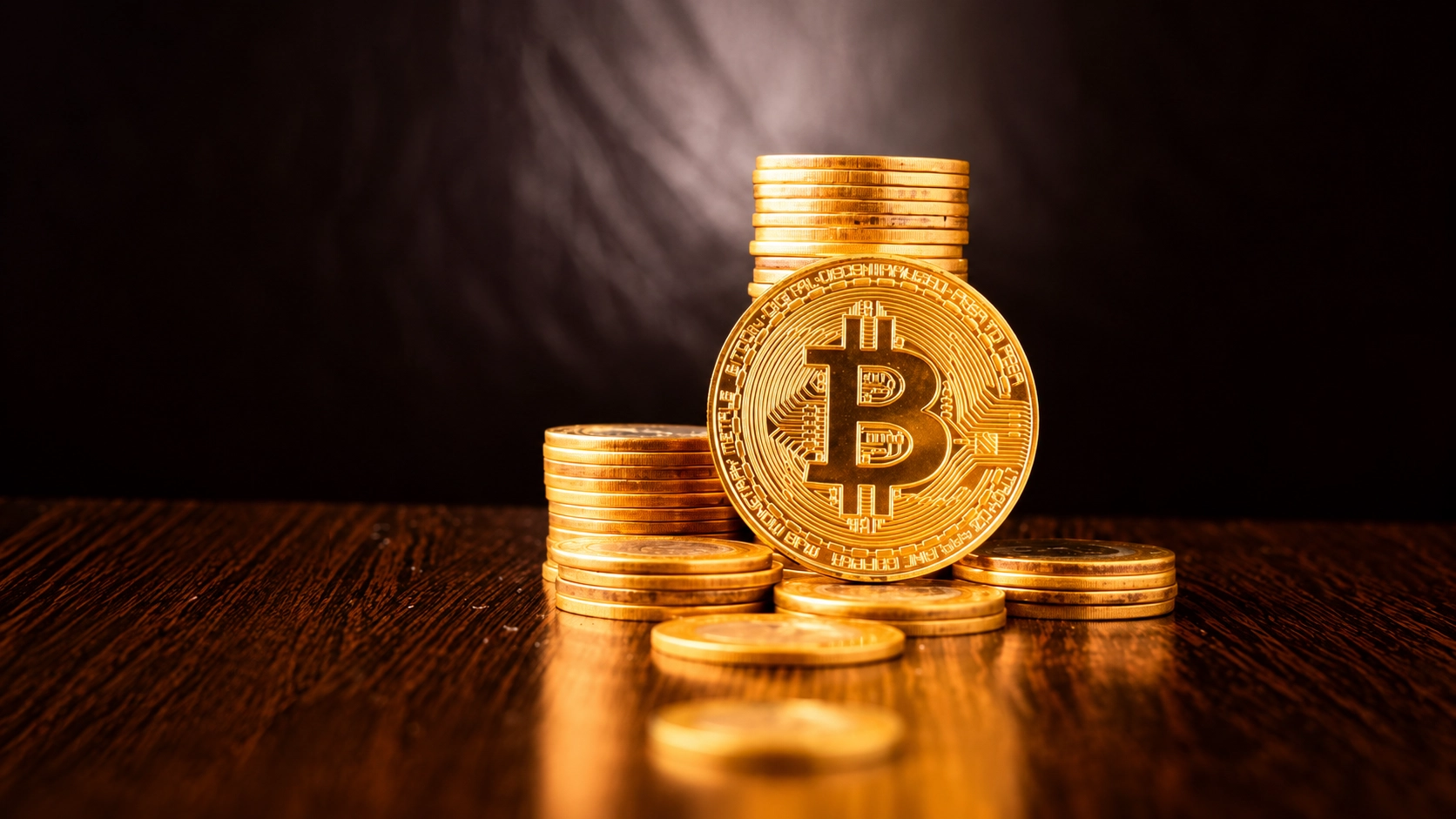
Bitcoin climbed above $61,000 on Thursday after weaker-than-expected US jobs data eased fears of further Federal Reserve rate hikes and pulled demand back toward risk assets.
The world’s largest cryptocurrency rose around 3% to trade near $61,800, extending its recovery after a volatile stretch for digital assets. Ether gained too, carried by a broader move into assets that tend to do well when interest-rate expectations cool off.
The rally followed a US payrolls report showing employers added just 57,000 jobs in June, well below the 110,000 economists had expected. The unemployment rate dipped to 4.2%, but that decline was partly due to a shrinking labor force, which made the headline number look better than the underlying picture.
The report quickly changed the mood across financial markets. Investors had been bracing for strong employment numbers that would give the Federal Reserve more ammunition to raise rates again. The softer print took that pressure off and pushed traders to walk back expectations for another near-term hike.
That shift helped Bitcoin directly. Cryptocurrencies tend to move with other risk assets; when investors expect rates to remain lower, speculative plays such as crypto, tech stocks, and high-growth shares become more attractive.
The dollar softened after the report too, adding another layer of support. A weaker dollar tends to improve appetite for alternative assets and ease pressure on global liquidity. Treasury yields also pulled back as traders reassessed where US monetary policy is actually heading.
Bitcoin breaking above $61,000 mattered because the level had been closely watched after weeks of weakness. The token had struggled as investors retreated from riskier bets amid rate-related concerns, chip-sector volatility, and broader market uncertainty.
Thursday’s rebound doesn’t wipe those pressures away. Bitcoin remains highly sensitive to rate expectations and shifts in risk appetite. But the move showed that softer economic data can still bring buyers back quickly when the conditions are right.
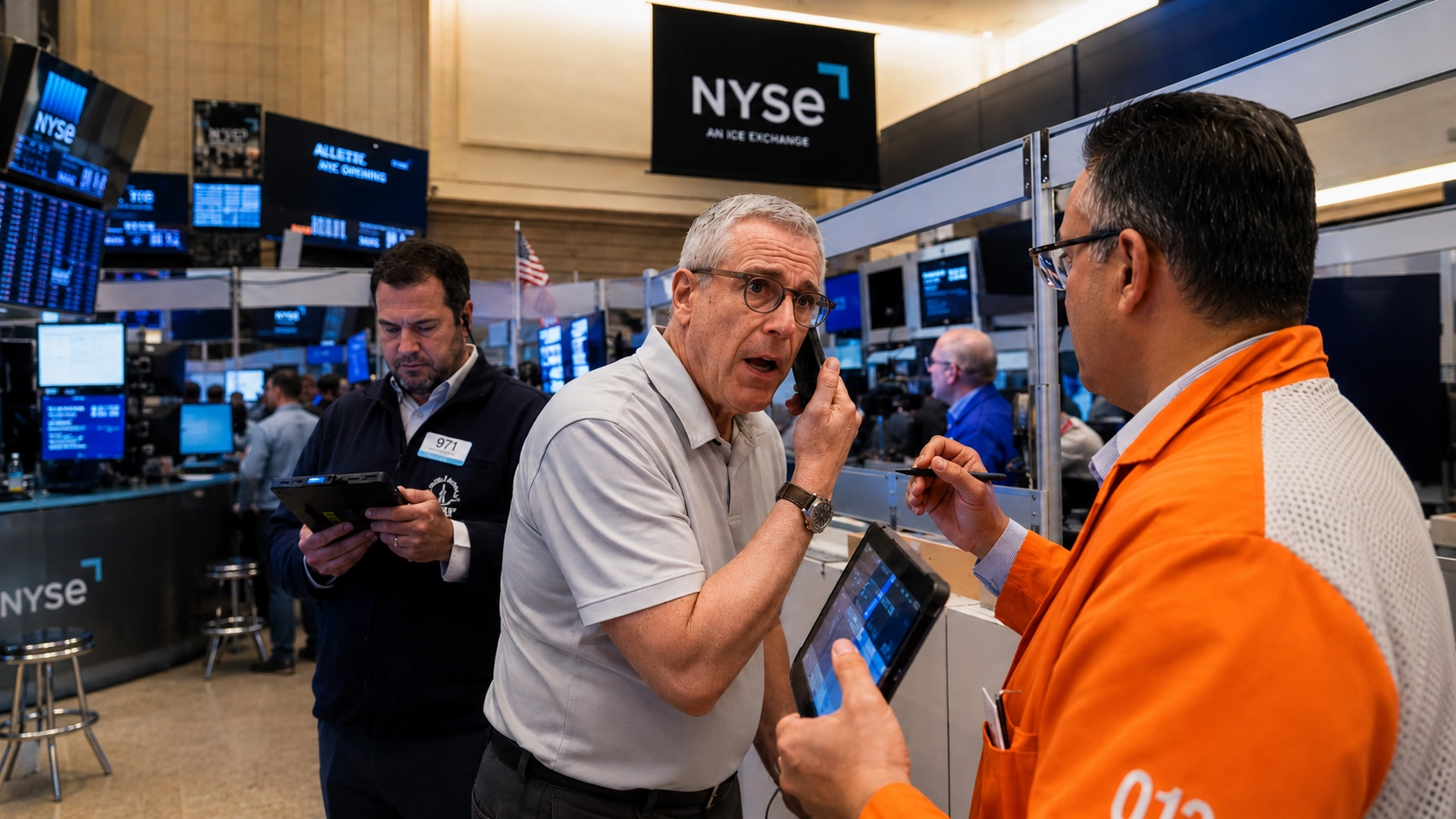
The broader market response was mixed. The Dow Jones Industrial Average climbed to a record closing high on the soft jobs data, while the Nasdaq came under pressure from weakness in chip shares. Investors clearly welcomed the rate relief; they were just more selective about where they put it to work.
Crypto investors are also keeping an eye on flows into digital-asset products. Bitcoin’s performance in recent months has tracked closely with institutional demand, ETF activity, and macro sentiment. Rising rate expectations tend to push investors out of speculative assets. Rate expectations easing tends to bring them back in.
The weak payrolls report also landed while markets were already rethinking the Fed’s stance. Recent comments from policymakers suggested that inflation risks had eased somewhat, but officials have been careful not to declare victory; inflation remains above target. That keeps crypto exposed to every major data release until something definitively shifts.
The bull case here is that slower job growth gives the Fed more room to pause and eventually move toward easier policy, which would support liquidity and lift demand for crypto. The bear case is that weak jobs data can also mean slower economic growth, which might push investors into more defensive positions and hurt risk assets regardless of what the Fed does.
That tension is why Bitcoin’s reaction to macro data matters as much as it does now. The cryptocurrency is increasingly treated as part of the broader macro trade, rising when liquidity conditions improve and falling when tighter policy threatens risk appetite.
Readers following the same market reaction can also check our coverage of gold gaining more than 2% after weak US payrolls data.
The next test is whether Bitcoin can hold above $61,000. A sustained move higher would improve sentiment after weeks of pressure. But if inflation data comes in hot or Fed officials push back against market pricing, this rebound could stall out quickly.
For now, a softer labor report has reduced immediate rate-hike fears, weakened the dollar, and given Bitcoin room to breathe. Whether that turns into something more sustained depends on what the Fed signals next.


0 Comments