


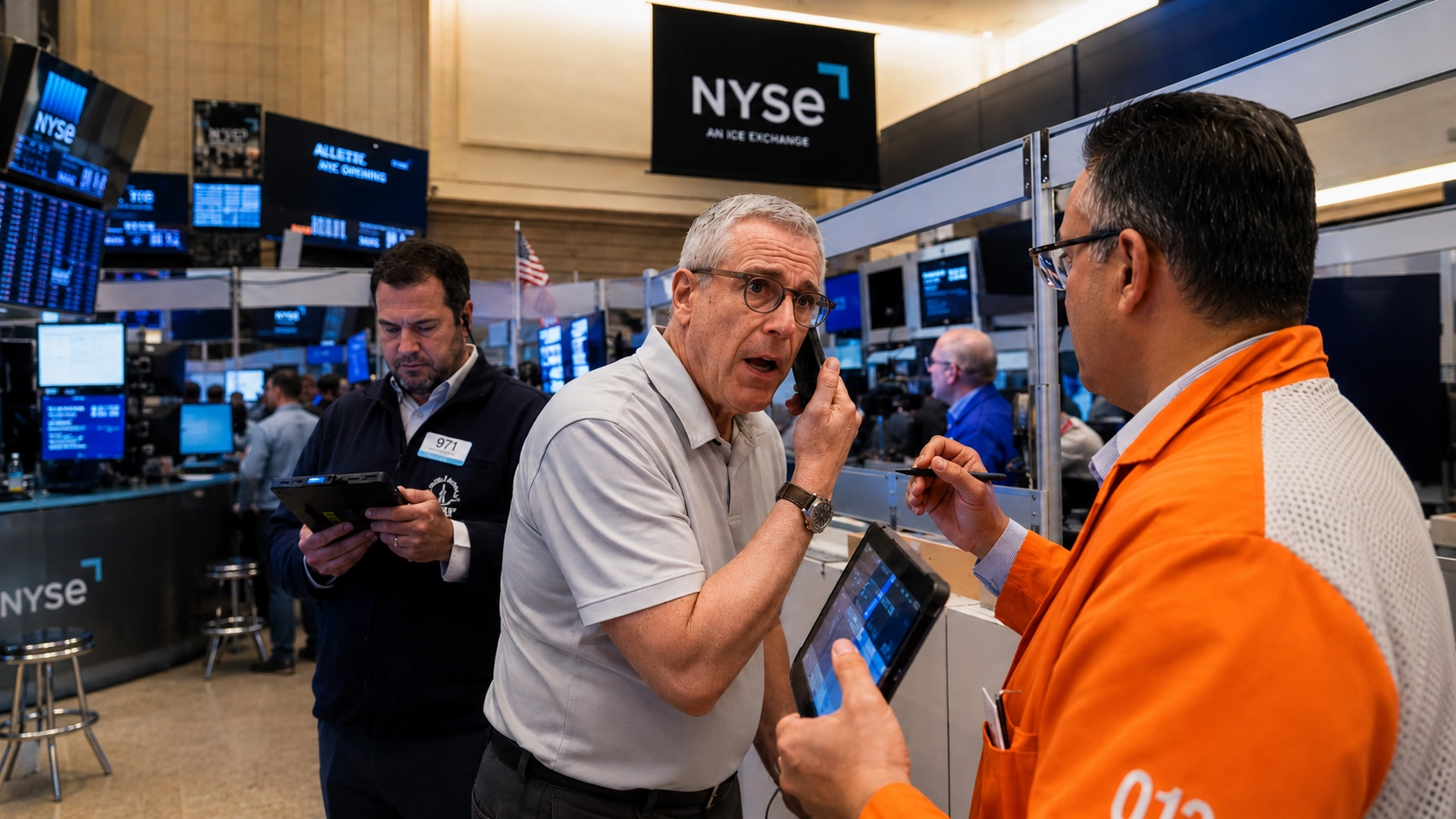
The S&P 500 and Dow Jones Industrial Average moved higher Monday as investors tracked fresh progress in US-Iran negotiations, with Wall Street trying to balance genuine optimism about lower geopolitical risk against the persistent worry that interest rates aren’t coming down anytime soon.
The diplomatic angle is doing real work in markets right now. Talks between the US and Iran in Switzerland wrapped up with mediators describing encouraging progress, including what sounds like a roadmap toward a final deal within 60 days. That was enough to calm some of the anxiety around energy markets that had been building for weeks over the Strait of Hormuz, one of the most critical oil shipping routes on the planet.
The market logic isn’t complicated. Progress toward a durable US-Iran agreement reduces the risk of oil supply disruption, lower oil eases inflation pressure, and that combination generally supports stocks. So even without a signed deal, the signal that talks are still moving forward gave traders a reason to buy.
The Dow gained ground, helped largely by financial shares. The S&P 500 also edged higher. Technology and semiconductor names contributed too, with memory-chip stocks like Micron Technology drawing attention ahead of earnings. The Philadelphia Semiconductor Index hit a fresh high, reflecting continued appetite for AI-linked chip exposure that doesn’t seem to be cooling off.
The Nasdaq, though, struggled. Weakness in communication-services stocks dragged on the index, and investors remained cautious enough to keep the overall mood from tipping into full risk-on territory. The Iran talks still have hard problems to resolve: Lebanon, nuclear inspections, oil sanctions, guarantees around the Hormuz passage. None of that has been settled yet.
Markets Welcome Progress but Stay Cautious
This wasn’t purely a peace rally. The session captured something more complicated: the tension between geopolitical optimism and central bank reality.
Investors want a US-Iran deal because it could pull energy prices lower and take some pressure off inflation. But they’re also watching the Federal Reserve closely after policymakers kept their inflation warning front and center and left the door open to further tightening if needed. Those two things are pulling in opposite directions, which is why the rally looked measured rather than aggressive.
Higher Treasury yields are doing what they usually do, keeping pressure on growth stocks and capping how much optimism geopolitics alone can generate. If inflation stays sticky and the Fed holds firm, there’s only so far stocks can run on diplomatic progress.
Oil is the connecting thread through all of it. Prices fell as markets reacted to the Switzerland talks, and a temporary US license allowing Iranian oil sales added to the sense that more supply could eventually reach global markets if talks progress as hoped. That matters for inflation expectations, transportation costs, and the broader confidence picture.
For more context on how the earlier peace framework already moved markets, see our coverage of the global market reaction to falling oil prices.
The risks haven’t disappeared, though, and investors know it. A roadmap is not a signed agreement. Talks can stall over inspection terms, Lebanon-related disputes, or regional security questions that haven’t been fully addressed yet. Any renewed threat to shipping in the Gulf would push oil prices right back up and unwind a good chunk of the relief rally quickly.
Corporate news added its own currents to the session. Chipmakers remained a clear bright spot. AI demand is still keeping semiconductor shares well supported, and Micron’s upcoming earnings are being watched as a real-time test of whether memory demand linked to AI is holding up as strongly as the sector’s recent gains imply. Financials helping lift the S&P 500 at the same time was a useful sign that the day’s strength wasn’t concentrated in one corner of the market.
The bigger variable waiting in the wings is inflation data. The personal consumption expenditures price index, the Fed’s preferred gauge, is due later this week. A hotter-than-expected reading would reinforce the case for rates staying high longer, which makes the current equity rally harder to sustain. A softer reading gives stocks more room to run.
That makes this one of those market environments where almost everything matters at the same time. A single headline from Switzerland can move oil. A Fed comment can move yields. An inflation print can reprice rate expectations entirely. And one earnings result from a major chipmaker can shift the AI trade that’s been carrying a lot of the market’s recent gains.
For now, the S&P 500 and Dow are getting a lift from the belief that geopolitical risk is easing. But it’s a conditional rally; investors want to see a real agreement come out of these talks, not just temporary optimism that fades when the hard details surface.
The message from markets is pretty straightforward: peace hopes help, but inflation and the Fed still set the ceiling. If diplomacy keeps moving and oil stays cooperative, Wall Street has room to extend gains. If negotiations hit a wall or inflation surprises to the upside, the cautious tone comes back fast.
Right now, this is a market running on hope while keeping one eye on the exit. The next move depends on whether diplomacy, oil prices, and the Fed all manage to point in the same direction at the same time, which is a lot to ask of three very different variables.
0 Comments