The US and Iran have edged closer to ending months of conflict by agreeing on a preliminary peace framework, but the deal is already running into trouble over Lebanon. What looked like a genuine breakthrough has turned into something more fragile, with Tehran insisting any final agreement has to include guarantees around Lebanon’s sovereignty and the broader regional situation.
The framework itself has raised real hope that this war could actually wind down. Reports suggest the draft would halt hostilities, lift the US blockade on Iran, and reopen the Strait of Hormuz, one of the most important energy corridors on the planet. Markets reacted almost instantly to that possibility, with traders pricing in lower risk to oil supply and shipping the moment it became public.
For Washington, this is a way out of a conflict that’s gotten politically expensive and risky to sustain. For Tehran, it’s a chance to end the blockade, regain economic breathing room, and push for recognition of concerns it’s been raising for years. But Lebanon has already exposed something important: this was never really just a US-Iran negotiation. It’s a regional settlement trying to happen through a bilateral channel.
Iran has been explicit that Lebanon is part of the draft agreement, with language about halting hostilities on all fronts and respecting Lebanon’s sovereignty and territorial integrity. That wording matters because Israeli strikes in Lebanon and Hezbollah’s role remain some of the rawest parts of this whole conflict. If Tehran feels Lebanon is being sidelined or glossed over, the framework may never become a final deal.
This is where the optimism gets complicated fast. A US-Iran agreement can reduce direct confrontation between those two countries specifically. It can’t simply erase the regional disputes that helped start the war in the first place. Lebanon, Gaza, Israel’s security concerns, Iran’s regional allies, the future of its nuclear program, none of that goes away just because Washington and Tehran shake hands.
There’s a major economic piece too. A reconstruction fund worth hundreds of billions has reportedly been floated as part of the broader package, meant to give Iran a real incentive to follow through. But access to that money seems tied to conditions down the line, nuclear commitments, inspections, and actually implementing whatever gets signed.
Why Lebanon Could Complicate the Deal
Lebanon is dangerous territory for this negotiation because it’s both a security issue and a symbolic one. Iran doesn’t see it as a side conversation. Tehran views what’s happening in Lebanon as part of the same regional struggle driving the entire war. Israel and the US, on the other hand, see Lebanon through the lens of Hezbollah, border security, and military activity near Israel’s northern frontier. Same word, very different meanings depending on who’s saying it.
That gap in interpretation might end up being the real obstacle here. If Washington treats this primarily as a ceasefire-and-nuclear-framework deal with Iran, while Tehran treats it as a regional settlement covering Lebanon and beyond, both sides could walk away from the same signed document with completely different understandings of what they agreed to.
This kind of thing has played out before in Middle East diplomacy more times than anyone would like. Preliminary frameworks calm markets and ease tension quickly, they’re vague enough to let everyone claim a win. Final agreements are where things usually get stuck, because the specific wording starts to matter enormously. “All fronts” can mean something very different to Iran than it does to the US, and something else entirely to Israel or Lebanon.
For Lebanon itself, the worry is becoming the bargaining chip in someone else’s regional deal. The country has already lived through years of political instability, economic collapse, and repeated conflict along its southern border. If the final agreement doesn’t clearly reduce the risk of future strikes there, peace on paper might not mean much on the ground.
The UN has treated Lebanon’s stability as a regional security issue for years through missions like UNIFIL, and the IAEA is central to anything involving Iran’s nuclear program going forward. That’s a lot of institutions with a stake in the outcome. This isn’t a simple two-party deal; it’s a regional settlement trying to squeeze through a narrow diplomatic opening.
Markets, for their part, have already reacted positively, particularly once oil prices dropped on hopes the Strait stays open. For more on that side of things, see our coverage of the oil market reaction.
But that optimism could fade fast if the Lebanon dispute escalates. Oil prices, shipping confidence, and investor sentiment are all leaning on the assumption that this deal holds. If it starts to look like major regional flashpoints were left out, traders won’t hesitate to price that risk straight back into energy markets.
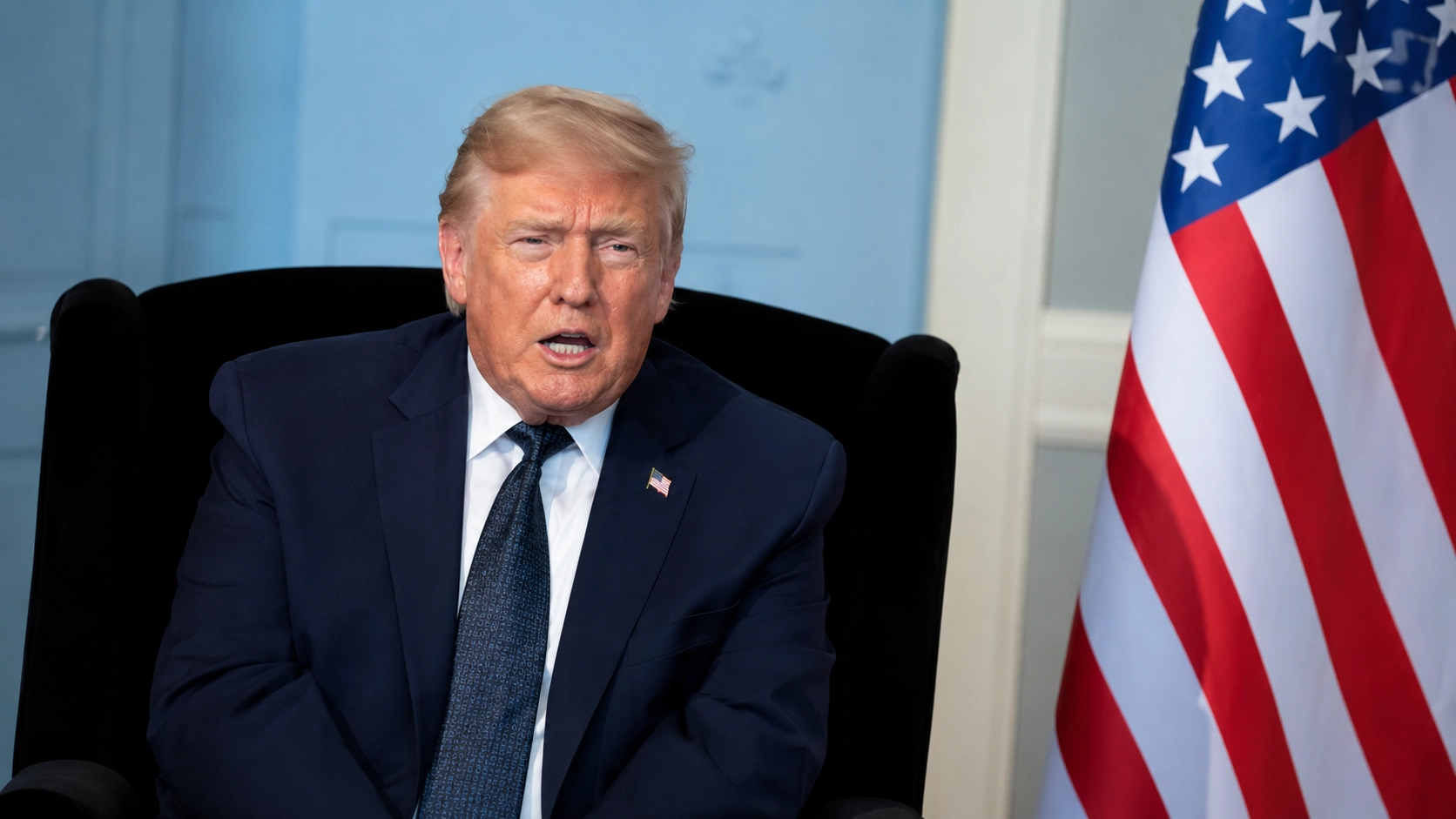
The political stakes are just as real. President Trump has framed this as a clear path to peace, while Iran’s leadership needs to show its own public that it hasn’t quietly accepted a deal that ignores its red lines. Pakistan’s mediation has also pulled South Asian diplomacy into the spotlight, with Islamabad credited for creating room for talks to restart after earlier attempts stalled out.
There’s domestic pressure on the Iranian side too. Hardliners could reject anything that looks like it limits Iran’s regional influence without delivering real economic relief in return. Meanwhile, Iranian dissidents and regional rivals are watching the same sanctions relief and reconstruction funding as a potential lifeline for a government they’d rather see weakened. Every word in the final text is going to be read several different ways by people with very different interests.
So there’s genuine hope here, but not yet certainty. A framework can stop the shooting, reopen trade routes, and settle markets down. A final agreement has to do a lot more than that: define enforcement, inspections, sanctions relief, regional commitments, and what actually happens if fighting flares up again in Lebanon.
That’s why the next stretch matters so much. If Washington and Tehran can find a language on Lebanon that both sides can actually live with, this could turn into one of the more significant diplomatic breakthroughs in years. If they can’t, the whole process risks stalling before it ever becomes permanent.
For now, this deal has given the region something rare: a real chance to step back from escalation. Whether it’s just a pause or the start of something lasting may come down to how Lebanon gets handled in the next round of talks.