


Portugal’s World Cup campaign got off to a frustrating start, as they were held to a 1-1 draw by DR Congo in their Group K opener. What looked like a controlled night for one of Europe’s strongest squads turned into something closer to a warning: reputation alone isn’t going to be enough at this expanded FIFA World Cup 2026.
It started well enough. João Neves put Portugal ahead in the sixth minute, finishing off good work from Pedro Neto, and with Cristiano Ronaldo leading the line in yet another World Cup appearance, the early goal looked like it might settle things quickly. Instead, Portugal eased off, let DR Congo find their footing, and never quite turned all that possession into anything dangerous.
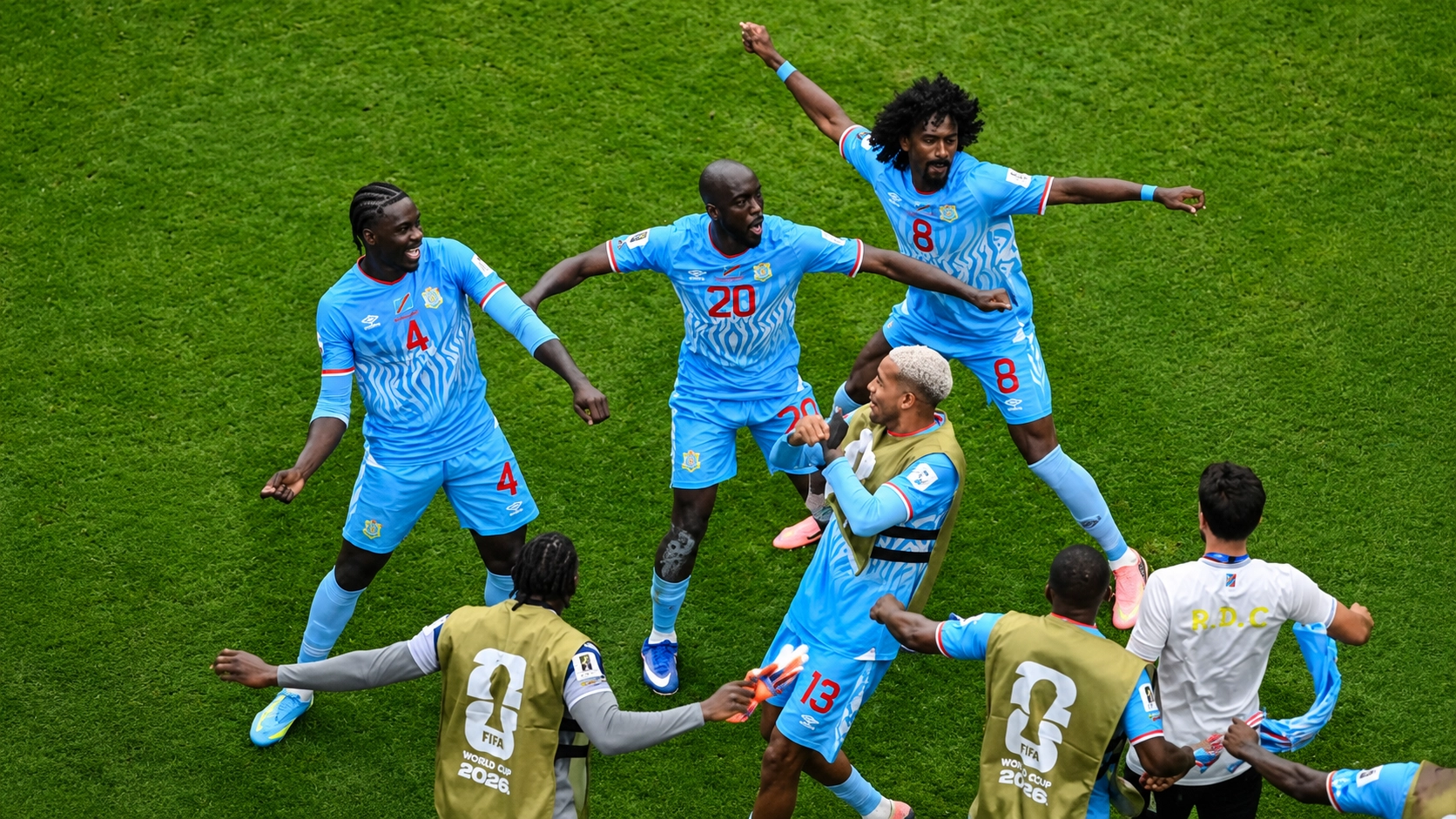
DR Congo made them pay for it right before halftime. Yoane Wissa headed home a composed equalizer to make it 1-1, and for a team returning to the World Cup after more than five decades away, that goal meant a lot more than just two points on the board. It was DR Congo announcing they hadn’t shown up just to fill out the group.
In the end, the result felt like a missed chance for Portugal and a genuine high for DR Congo. Portugal had more of the ball and more control for long stretches, but they couldn’t generate clear chances once the early goal went in, and the match left some real questions hanging over their tempo and attacking balance.
DR Congo Turns Frustration Into a Historic Point
DR Congo built this point on patience and discipline. Sébastien Desabre’s side stayed compact, defended with real structure, and waited for their moments rather than chasing the game. It wasn’t pure survival football either; there was a clear plan for when to push and when to sit.
That’s what made Wissa’s goal land the way it did. It shifted the whole mood of the match and gave DR Congo room to play more freely for the rest of the match. Portugal still had the bigger names on paper, but DR Congo had the energy and organization to make life uncomfortable. Players like Cédric Bakambu, Aaron Wan-Bissaka, and Axel Tuanzebe gave the side real balance and defensive composure in what was a genuinely difficult opening fixture for them too.
For Portugal, this is going to sting precisely because expectations were so high going in. They’ve got talent across the entire pitch: Bruno Fernandes, Bernardo Silva, João Neves, Rafael Leão, Pedro Neto, and Ronaldo, but after the first 20 minutes, the team simply didn’t look sharp.
Ronaldo’s involvement will keep being one of the bigger storylines of Portugal’s tournament regardless. At 41, he became the oldest player ever to start a World Cup match, adding another chapter to an already remarkable career. DR Congo, to their credit, marked him tightly and limited what he could actually do. The harder question for Portugal going forward is whether they can stay balanced as a team while still building so much around one player, even one this good.
Martínez knows a single draw doesn’t define a tournament. Opening games against motivated underdogs with nothing to lose are often awkward for favorites; that’s just how it tends to go. But Portugal can’t let this become a habit. Their next two games, against Uzbekistan and Colombia, suddenly carry more weight, because dropping points this early makes the whole group harder to predict.
This also fits a pattern that’s already emerging early in the tournament: plenty of favorites have looked uncomfortable against disciplined, well-organized opponents, suggesting this expanded World Cup might produce more tense group games than people expected. For another example, see our coverage of Cape Verde’s historic draw against Spain.
For DR Congo, this point could be something to build on. It gives them real belief and proof that they can hang with the elite opposition. A draw against Portugal doesn’t guarantee anything down the line, but it changes how people see them. They’re not outsiders anymore; they’re a team capable of frustrating anyone in this group.
For Portugal, the lesson is fairly obvious. The talent is clearly there to go deep in this tournament, but this performance showed that talent alone isn’t enough without urgency to match it. That early goal should have opened the floodgates. Instead, it made them comfortable far too soon.
This is exactly the kind of moment that ends up shaping a World Cup: a favorite drops points, an underdog finds belief, and suddenly the whole group feels wide open in a way nobody expected before kickoff. Portugal didn’t lose tonight, but they left with a lot more to worry about than they walked in with.
DR Congo walked away with something better: history, confidence, and a point that will mean a lot more than the table currently shows.
0 Comments