


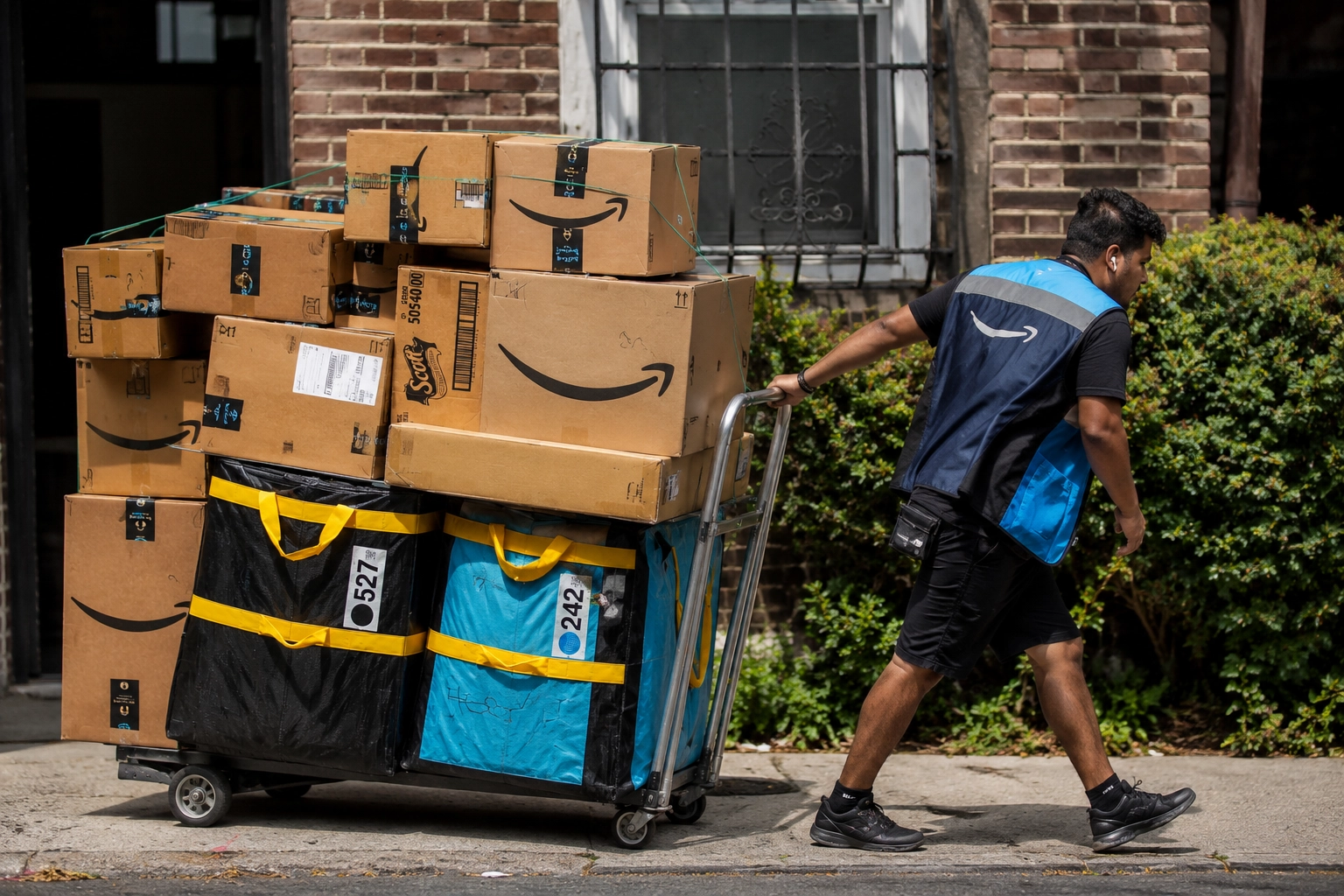
Amazon Prime Day is turning into more than a shopping event this year. It’s becoming a real-time read on how much pressure US consumers are actually under after months of higher prices, expensive fuel, and more cautious household spending.
The 2026 event runs from June 23 to June 26, giving Prime members four days of discounts across electronics, home goods, beauty, groceries, school supplies, and everyday essentials. But investors and retailers will be watching for more than headline sales totals. What people actually buy is the part that matters.
That detail matters because American shoppers are still spending; they’re just getting pickier about it. Inflation has stayed uncomfortable, fuel costs have squeezed budgets, and lower- and middle-income households are increasingly waiting for sales before buying even basic goods. Prime Day will show whether people are still spending broadly or mostly using discounts to stock up on necessities.
Amazon has clearly noticed the shift. This year’s event is expected to feature deals not just on big-ticket devices and brand names, but also on groceries, household items, back-to-school products, and other practical categories. That’s a tell. Shoppers are still hunting for value, but a lot of them aren’t treating major sales events as an excuse to splurge anymore.
The timing makes this Prime Day unusual, too. Amazon pushed the event earlier than its usual July slot, landing it before the Fourth of July and in the middle of an already crowded summer calendar. That gives the company an earlier read on demand, and it could pull some spending forward into June that would otherwise have happened later.
A Four-Day Stress Test for Retail
For Amazon, Prime Day is a chance to deepen loyalty, pull more shoppers into the Prime ecosystem, and drive sales across the marketplace. For the wider retail industry, it’s a test of whether consumers can still deliver strong online spending with prices where they are.
Adobe Analytics is projecting a strong online sales period, with Prime Day expected to drive solid spending across US retailers. But the quality of that spending matters as much as the total. If shoppers lean heavily on discounts and essentials, it suggests demand is alive but under more strain than before.
That’s why investors will be watching average order values, category strength, and how deal-sensitive shoppers are this year. Strong sales in electronics and premium categories would suggest consumers still have room for discretionary spending. Strong sales in groceries and household supplies would suggest the opposite: a more cautious shopper using Prime Day to manage everyday costs rather than treat themselves.
Amazon is also leaning on technology to shape the event, pushing AI-powered shopping tools like Alexa-based deal guidance and personalized alerts to help customers find offers faster. That could boost engagement, especially with shoppers comparing prices more carefully than they used to before buying anything.
Competition is intense too. Walmart and Target are running overlapping discount events, both hoping to grab shoppers chasing the best deal rather than sticking with one platform out of habit. The result is a broader retail fight where price, delivery speed, and membership perks all matter at once.
The pressure on consumers is coming from multiple directions. Inflation hasn’t really let up, and higher fuel prices have eaten into how much flexibility households have left. When gas, food, and rent take up more of someone’s income, bigger purchases get delayed or pushed off until a big enough discount shows up. Prime Day will reveal how deeply that pattern is shaping online retail right now.
The event also lands while investors are watching the Federal Reserve closely. Higher inflation tends to keep rates elevated, which ripples into credit card balances, borrowing costs, and household confidence. Readers following that wider market pressure can also check our coverage of the Fed’s latest inflation warning.
For Amazon, there’s more riding on this than short-term sales. Prime Day reinforces the value of Prime membership, which supports delivery, streaming, advertising, and customer data beyond just shopping. A strong event helps Amazon show its retail engine is still humming even while investors stay fixated on cloud computing and AI.
For other retailers, the event cuts both ways. If Amazon dominates the week, competitors may need deeper discounts just to hold onto foot traffic. If spending spreads across Walmart, Target, and others instead, it’s a sign shoppers are getting more deal-driven and less loyal to any single retailer.
The bigger economic signal matters here too. A strong Prime Day would suggest the US consumer is holding up despite inflation. A weaker, more essentials-heavy event would suggest spending pressure is starting to bite harder than expected.
That’s what makes Prime Day a real test for Wall Street, retailers, and policymakers alike. It’s not really about how many TVs or headphones Amazon moves. It’s about whether American households still feel confident enough to spend beyond the basics, or whether they’re just stretching what they have.
For now, the event arrives with high expectations against a cautious backdrop. People are still shopping. They’re just doing the math more carefully than they used to. Prime Day will show whether discounts can actually unlock demand or whether shoppers are simply using the sale to make a tighter budget go further.


0 Comments