


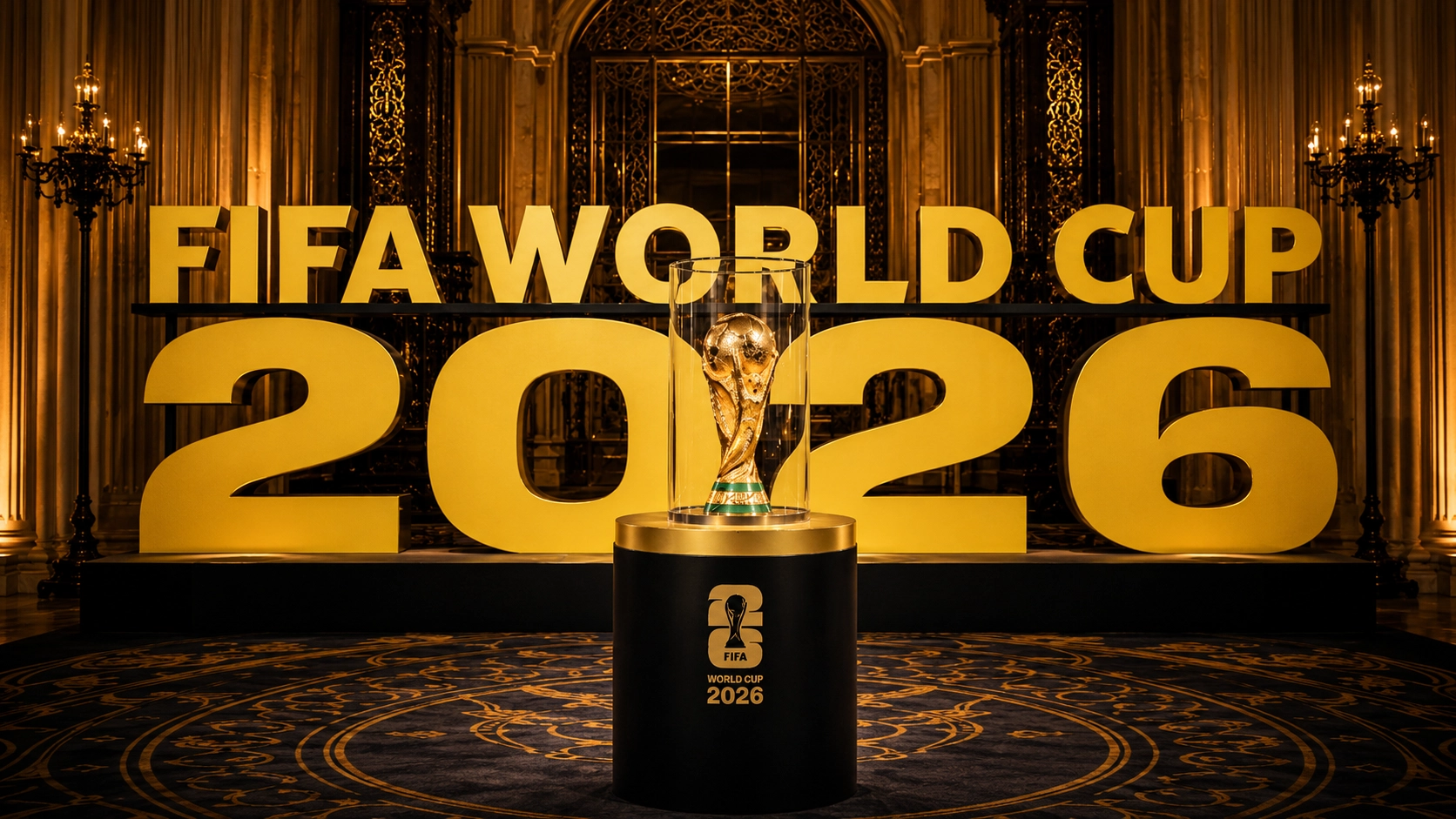
The FIFA World Cup 2026 is the biggest World Cup ever staged. 48 teams, 104 matches, three host countries, 16 cities spread across North America. The United States, Canada, and Mexico are sharing hosting duties for the first time, and the whole thing feels less like a football tournament and more like a travelling festival that’s been scaled up beyond comfort.
That expansion changes a lot. More teams mean more stories, more fan bases, more underdogs, but also more travel, more squad management headaches, and more chances for fatigue to become a deciding factor by the time the knockout rounds arrive. The World Cup has always run on talent and emotion. In 2026, endurance might matter just as much.
The group-stage structure is worth understanding early on. Twelve groups of four teams, with the top two from each advancing, plus the eight best third-place finishers. In practice, that means a clumsy early result isn’t necessarily fatal, but it could still cost you if the numbers don’t work out. Follow the full World Cup 2026 fixtures once the group drama gives way to the new Round of 32.
Why This World Cup Feels Different
The scale is the obvious answer, but the more interesting one is the variety. Brazil, Argentina, France, Germany, Spain, England, Portugal, the Netherlands, they’ll all arrive carrying expectations that would crush most countries. Meanwhile, teams like Cape Verde, Curaçao, Haiti, Jordan, and Uzbekistan are getting a platform they’ve never had before. That gap between established powers and genuine first-timers is part of what makes the expanded format worth watching rather than just worth criticising.
One famous upset can change how a country is remembered in football. The bigger the tournament, the more likely it is to happen.
The host nations add their own layer. Mexico brings deep football culture and crowds that make opponents uncomfortable. The United States offers enormous venues and a level of commercial scale that no other host could match. Canada comes in as a growing football nation with a real chance to leave an impression on home soil. The host city list makes clear just how spread out this whole thing will be, and that distance is going to be a genuine problem for travelling supporters and potentially for jet-lagged squads too.
The Biggest Questions Before Kickoff
Can the favourites actually handle the pressure? France has depth in almost every position. Argentina arrives as defending champions and acts like it. Brazil is Brazil, held to standards that would be unreasonable for anyone else. England and Portugal have squads packed with elite club players, but both carry the same unresolved question: can they turn individual quality into a tournament-winning campaign when it actually counts?
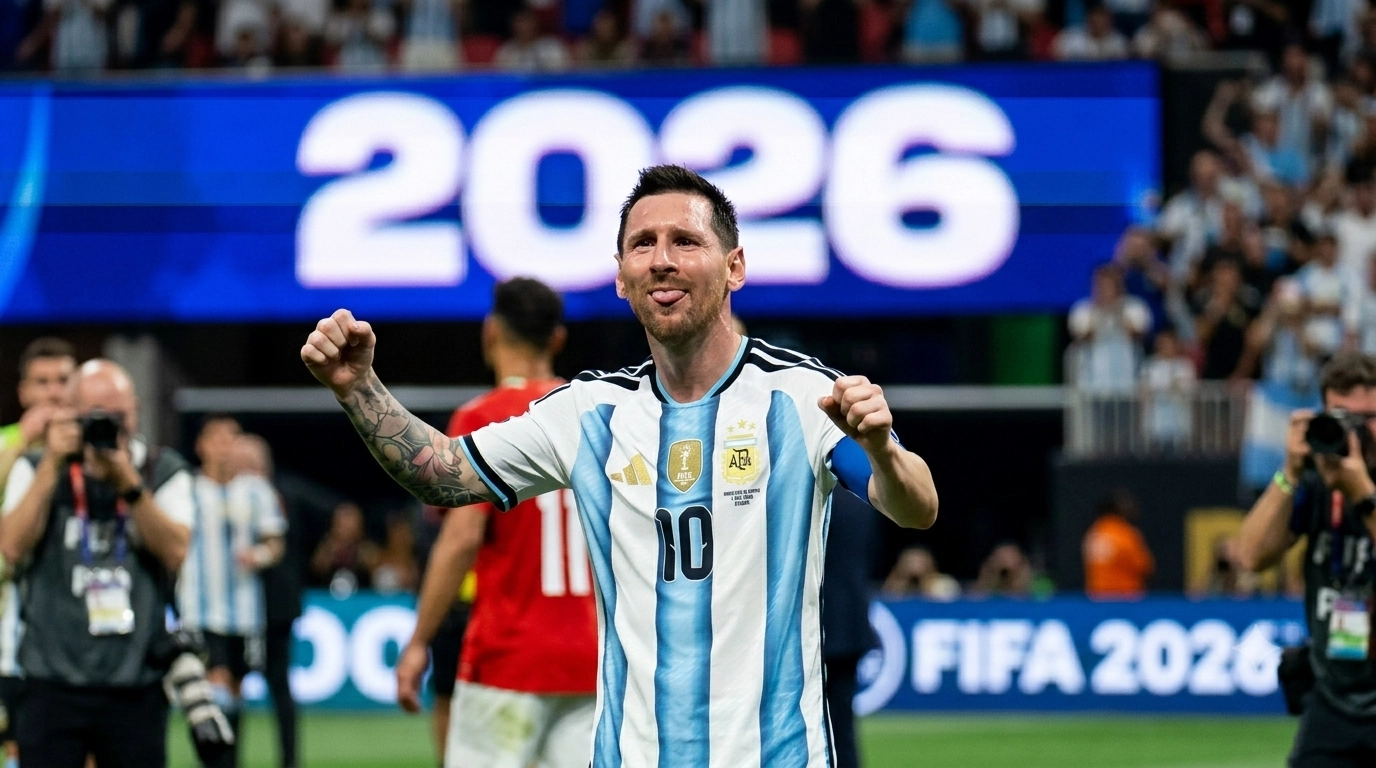
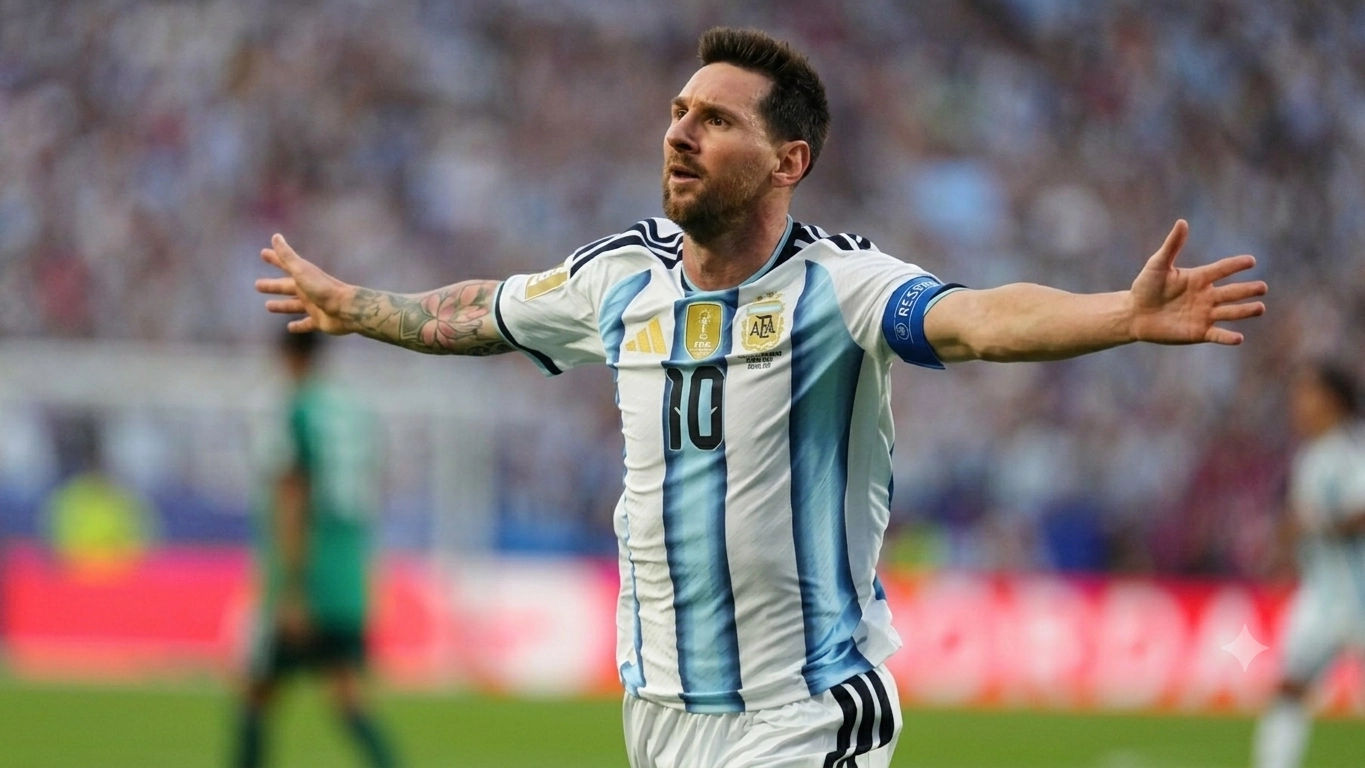
Then there’s the Messi and Ronaldo question. Both are almost certain to be in 2026, and for both, it’s almost certainly their last World Cup. They won’t look exactly like they did ten years ago, but their presence still shifts the emotional temperature of any match they’re involved in. Watching them navigate their final tournament is going to be something, whatever happens.
The young players are arguably the more interesting watch. Lamine Yamal, Jamal Musiala, Florian Wirtz, Jude Bellingham, any one of them could use this tournament to become a genuine global name. Every World Cup does this to someone. In 2026, there’s more room than ever for a breakout story.
There’s also the practical side that doesn’t get enough attention. Weather, long-haul travel between venues, recovery time between matches, stadium conditions, all of it will matter. Teams with genuine depth in their squads may have a clear edge over sides built around the same eleven players every game. Coaches who manage rotation well could go further than those who don’t.
Final Thoughts
The 2026 World Cup will be bigger in numbers. Whether it’s better depends entirely on what unfolds. It’ll have the favourites and the first-timers, the legends playing farewell tournaments, and teenagers playing their first, enormous stadiums and very nervous dressing rooms.
It’ll also be harder to follow than any previous World Cup simply because of the scale. More matches, more teams, more happening at once. But that same scale is what makes it genuinely different from everything that came before.
Here’s the honest preview: the best team in 2026 probably won’t just be the most talented. It’ll be the one that travels without falling apart, rotates its squad without losing momentum, handles pressure without imploding, and stays sharp when the tournament grinds into something exhausting. Brilliance matters, obviously. But balance, depth, and the ability to survive the longest football event ever put together might matter just as much.
0 Comments