


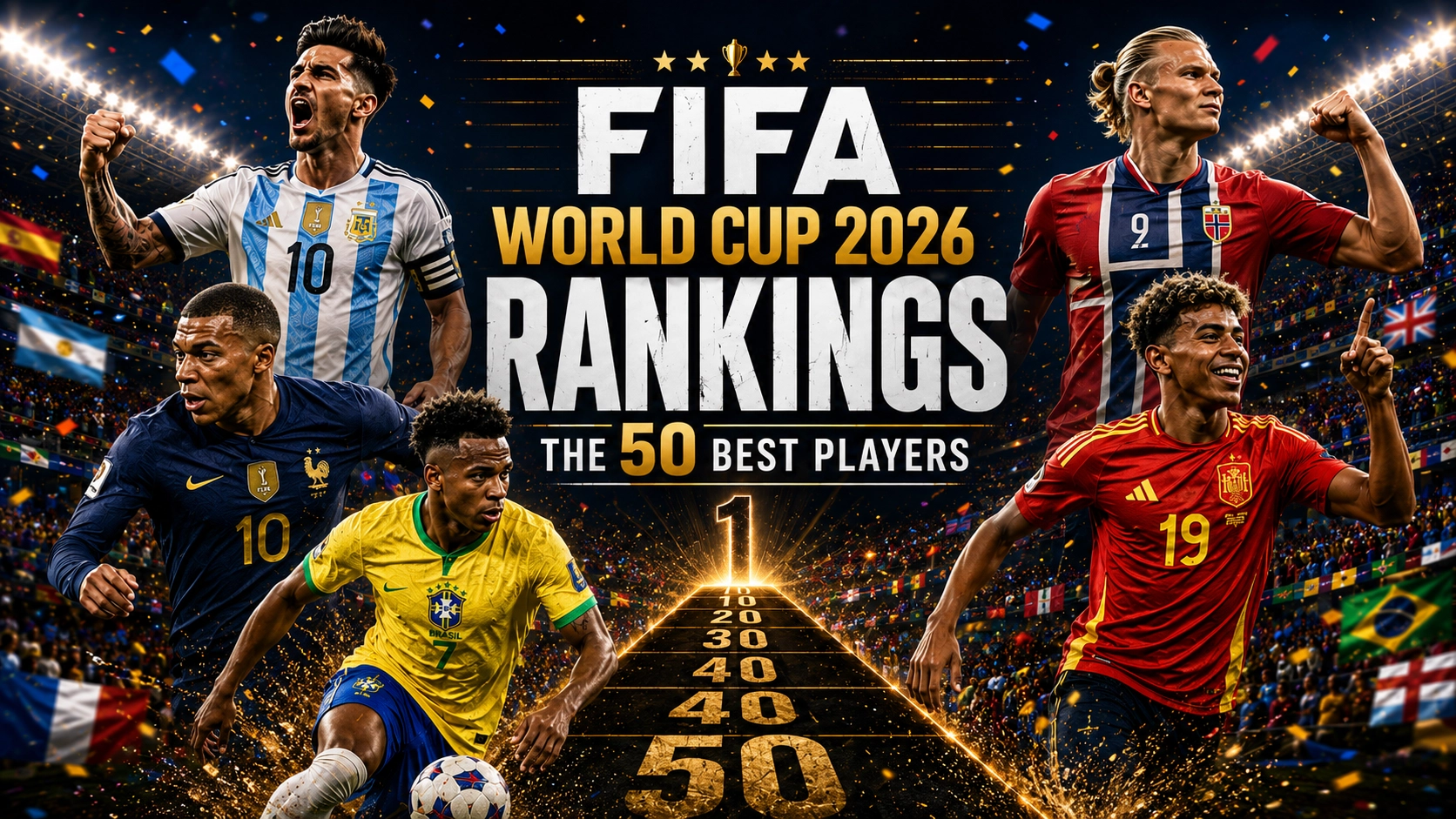
The FIFA World Cup 2026 will be the biggest edition in tournament history, but the expanded format isn’t the only reason fans are excited. This World Cup brings together some of the finest footballers in the modern game, from established veterans to rising stars who could define the next era.
Ranking players before a World Cup is always messy. Club form matters, but international football works differently. Less time together, simpler tactics, and one big moment can flip a tournament upside down. That said, the best players tend to find a way. Goals, creativity, defending, pressing, leadership, control, there’s always more than one route to influence.
Fans can follow the official World Cup 2026 fixtures and host city information throughout the tournament. This ranking considers current ability, recent form, importance to the national team, tactical value, and the impact each player could realistically have in 2026.
50. Mohamed Salah – Egypt
Salah isn’t at the absolute peak of his career anymore, but Egypt’s fortunes still run through him. His movement, finishing, and experience pose a real threat. If Egypt wants to cause problems, it needs him to produce decisive moments.
49. Kai Havertz – Germany
Havertz earns his place through flexibility. He can play as a forward, attacking midfielder, or deeper link player depending on the situation. Germany benefits from his intelligence and movement across different roles.
48. Bernardo Silva – Portugal
One of the smartest technical players in the tournament. He keeps possession, presses with his brain rather than just his legs, and helps Portugal control tempo. Plenty of bigger names are in that squad, but Bernardo’s decision-making quietly holds things together.
47. Jules Koundé – France
Koundé gives France defensive balance and shape flexibility. He can play as a full-back or centre-back, allowing France to adjust mid-match. Strong, quick, and calm on the ball, he is a reliable tournament defender.
46. Joško Gvardiol – Croatia
Gvardiol is one of the better modern defenders in world football. He defends wide spaces, carries the ball forward, and passes with confidence from deep. Croatia will lean on his athleticism when the stronger attacking teams come calling.
45. Emiliano Martínez – Argentina
Martínez has already proved himself at this level. Shot-stopping, penalty-saving, and that personality make him a massive figure for Argentina. In knockout football, a goalkeeper of his calibre can genuinely decide a tournament.
44. Gabriel Magalhães – Brazil
Gabriel brings strength, aerial dominance, and defensive aggression. He’s also dangerous from set pieces, which matters in tight knockout games. Brazil’s attackers get most of the attention, but you need this kind of foundation first.
43. Willian Pacho – Ecuador
Pacho gives Ecuador defensive speed and security. He reads danger early and covers ground quickly, which becomes important when elite forwards start moving. Ecuador needs his discipline if it’s going to compete against stronger opposition.
42. Marquinhos – Brazil
Marquinhos is experienced, calm, and smart. He may not generate headlines, but his positioning and defensive intelligence give Brazil stability. That’s exactly what you want from a centre-back in a major tournament.
41. Thibaut Courtois – Belgium
When fit, Courtois is still one of the best goalkeepers around. His size, reflexes, and composure in big moments make him a serious asset. A goalkeeper at that level keeps teams alive in matches they have no right to win.
40. Casemiro – Brazil
Casemiro brings experience, defensive awareness, and physical presence to Brazil’s midfield. He knows how to protect a defence and manage pressure. His reading of the game hasn’t dulled with age.
39. Rodri – Spain
Rodri controls matches without many people noticing. He reads the game, wins duels, passes calmly, and gives Spain structure. That control of space and tempo will matter in Spain’s toughest games.
38. Joshua Kimmich – Germany
Kimmich offers passing quality, leadership, and tactical intelligence. He can operate in midfield or at full-back. Germany needs players who can control possession and make smart decisions under pressure. Kimmich is exactly that.
37. Luka Modrić – Croatia
Modrić is probably near the end of his international journey, but his football intelligence is still exceptional. His passing, calmness, and experience still give Croatia control in midfield. Even in limited minutes, he can change a match’s rhythm.
36. Virgil van Dijk – Netherlands
Van Dijk gives the Netherlands leadership, defensive strength, and composure. He controls the back line, dominates aerially, and starts attacks with his passing. His presence makes the Dutch defence a lot harder to break down.
35. Alexander Isak – Sweden
Isak is a dangerous forward when fit and sharp. He moves well, has real technical ability, and can create chances for himself. Sweden needs him to produce because he’s their clearest route to goals.
34. Florian Wirtz – Germany
Wirtz is one of Germany’s best creative attacking players. He finds space between the lines, creates chances, and scores important goals. If Germany wants to get back to the top, Wirtz needs to bring that invention and confidence with him.
33. Yan Diomande – Côte d’Ivoire
Diomande is one of the more exciting young attacking names heading into this tournament. His dribbling, speed, and directness make him a real threat on the wing. For Côte d’Ivoire, he’s the kind of player who can upset stronger teams.
32. Jamal Musiala – Germany
Musiala gives Germany creativity and unpredictability. His close control lets him work through tight spaces and break defensive blocks. If he arrives fit and confident, he’ll be one of Germany’s most important weapons going forward.
31. Antoine Semenyo – Ghana
Semenyo brings pace, power, and directness to Ghana’s attack. He stretches defences, presses aggressively, and causes problems in transition. Ghana needs that energy to stay competitive in difficult matches.
30. Bradley Barcola – France
Barcola adds speed, width, and attacking freshness. He’s dangerous in one-on-one situations and can create chances from wide areas. In a squad loaded with attacking talent, he gives France another explosive option.
29. Luis Díaz – Colombia
Díaz is Colombia’s main attacking spark. Direct running, dribbling, and real courage make him difficult to contain. Colombia’s ability to challenge stronger teams depends a lot on what he produces.
28. Désiré Doué – France
Another young French attacker with real potential. Acceleration, close control, and confidence allow him to create something from nothing. France has enormous depth, but Doué has the ability to become a breakout name.
27. Lautaro Martínez – Argentina
Lautaro brings sharp movement, pressing, and finishing inside the box. He works hard without the ball and is genuinely dangerous in tight spaces. Argentina’s attack gets more complete when he’s at his best.
26. Nuno Mendes – Portugal
One of the more dynamic full-backs in the tournament. His pace, attacking runs, and defensive recovery give Portugal real balance down the left. He can defend wide areas while creating danger going forward.
25. Achraf Hakimi – Morocco
Hakimi is one of Morocco’s biggest weapons. Speed, crossing, attacking runs, and defensive recovery make him far more than just a full-back. How well he influences both ends of the pitch could go a long way to deciding Morocco’s tournament.
24. Rayan Cherki – France
Cherki is a creative attacking midfielder with excellent close control and flair. He can unlock defences through dribbling, passing, and unpredictable movement. In the right role, he could bring France a very different kind of attacking threat.
23. Jérémy Doku – Belgium
Doku is one of the more dangerous dribblers at this tournament. His speed and ability in one-on-one situations can create chances even when a match feels stuck. Belgium needs his directness to open up teams that sit deep.
22. Julián Álvarez – Argentina
Álvarez brings movement, pressing, finishing, and tactical flexibility. He can play across the attack and works hard for the team. Argentina likes players who combine quality with effort. Álvarez is exactly that.
21. João Neves – Portugal
One of the most exciting young midfielders in football right now. His energy, tackling, confidence, and quick passing are valuable for Portugal. He could grow as the tournament progresses and become more important as matches get tougher.
20. Moisés Caicedo – Ecuador
Caicedo gives Ecuador strength, pressing, and midfield control. He breaks up attacks and moves the ball forward quickly. Ecuador’s ability to stay competitive against elite teams may hinge on how well he wins those midfield battles.
19. Federico Valverde – Uruguay
Valverde is a complete midfielder. Running power, tackling, ball-carrying, shooting, and leadership – he has everything. Uruguay’s identity is built on intensity and fight, and Valverde is the clearest expression of that.
18. Bruno Guimarães – Brazil
Guimarães gives Brazil composure, passing, and midfield intelligence. He controls possession and connects defence with attack. Brazil needs more than flair in the final third, and Bruno provides the balance.
17. Vitinha – Portugal
One of Portugal’s most intelligent midfielders. Vitinha keeps the ball moving, finds space, and controls rhythm under pressure. In a team full of attacking options, his calmness and passing are quietly essential.
16. Declan Rice – England
Rice gives England defensive security and midfield balance. He protects the back line, carries the ball forward, and wins important duels. Against elite opponents, his discipline could prove one of England’s biggest strengths.
15. Lionel Messi – Argentina
Messi returns as Argentina’s leader and defending World Cup champion. He doesn’t have the same physical level as before, but his passing, finishing, vision, and ability to produce in big moments are still special. One Messi moment can change a knockout game.
14. Kylian Mbappé – France
Mbappé remains one of the most dangerous players in world football. Speed, finishing, and World Cup pedigree make him a constant threat. France has plenty of attacking stars, but Mbappé can still decide matches on his own.
13. Jude Bellingham – England
Bellingham gives England power, personality, goals, and midfield presence. He drives forward, presses, wins duels, and shifts the emotional momentum of matches. England needs the right role for him to get the best out of what he brings.
12. Vinícius Júnior – Brazil
Vinícius brings speed, flair, and direct attacking danger. He beats defenders repeatedly and forces opponents to adjust their shape. Whether Brazil goes deep could depend on whether Vinícius delivers when it matters most.
11. Erling Haaland – Norway
Haaland is one of the most feared goalscorers in the world. He doesn’t need many chances, and his movement inside the box is elite. Norway isn’t among the favourites, but Haaland gives them something every opponent has to respect.
10. Martin Ødegaard – Norway
Ødegaard is Norway’s creative leader. Passing, movement, pressing, and control of attacking rhythm make the whole thing run. With Haaland ahead of him, Ødegaard’s ability to create chances could define Norway’s tournament.
9. Bukayo Saka – England
Saka has become one of England’s most reliable attacking players. Balance, creativity, discipline, and calmness under pressure – he brings all of it. His ability to attack without switching off defensively makes him exactly the kind of player you want in tournament football.
8. Raphinha – Brazil
Raphinha gives Brazil directness, pressing, movement, and attacking output. He breaks down defences, makes smart runs, and contributes without the ball. His mix of energy and quality makes him one of Brazil’s most useful attackers.
7. William Saliba – France
Saliba is one of the best defenders in this tournament. Quick, strong, composed, and reliable in different defensive situations. France’s attack will get most of the attention, but Saliba could be just as important to their title chances.
6. Pedri – Spain
Pedri brings rhythm, intelligence, and control to Spain’s midfield. He receives under pressure, moves the ball forward, and creates chances without overcomplicating things. Spain’s possession game becomes far more dangerous when Pedri is fit.
5. Bruno Fernandes – Portugal
Fernandes is Portugal’s creative engine. Dangerous passes, shots from distance, pressing with intensity, and the ability to operate in different midfield roles make him vital. His risk-taking can decide tight matches, which is why he’s so important to Portugal.
4. Harry Kane – England
Kane is one of the most complete forwards in world football. He scores, creates, links play, and leads the attack with intelligence. England will lean heavily on his goals and decision-making if they want a serious run at this.
3. Michael Olise – France
Olise is one of the most exciting creative attackers heading into this tournament. His touch, movement, passing, and ability to create from wide areas make him genuinely dangerous. In France’s powerful squad, he could become one of the major stories of the tournament.
2. Lamine Yamal – Spain
Yamal is already one of football’s most exciting players. The confidence, dribbling, creativity, and maturity at his age are unusual. Spain has no shortage of technical quality, but Yamal gives them unpredictability and fearless attacking ability that’s harder to plan for.
1. Ousmane Dembélé – France
Dembélé takes the top spot because his game has genuinely reached a new level. Fast, creative, dangerous with both feet, and now more decisive when it matters. What sets him apart is that he fits into different attacking systems without the whole team having to reorganise around him.
For France, he stretches defences, creates chances, presses aggressively, and scores in big moments. In a tournament full of stars, he combines individual brilliance with actual team value. If France goes deep, Dembélé will likely be at the centre of it.
What This Ranking Shows
The depth across this tournament is genuinely impressive. France has an extraordinary number of quality players: Dembélé, Olise, Saliba, Barcola, Doué, Koundé, and others are among the best. Spain has elite technical quality through Yamal, Pedri, and Rodri. England arrive with Kane, Saka, Bellingham, Rice, and more.
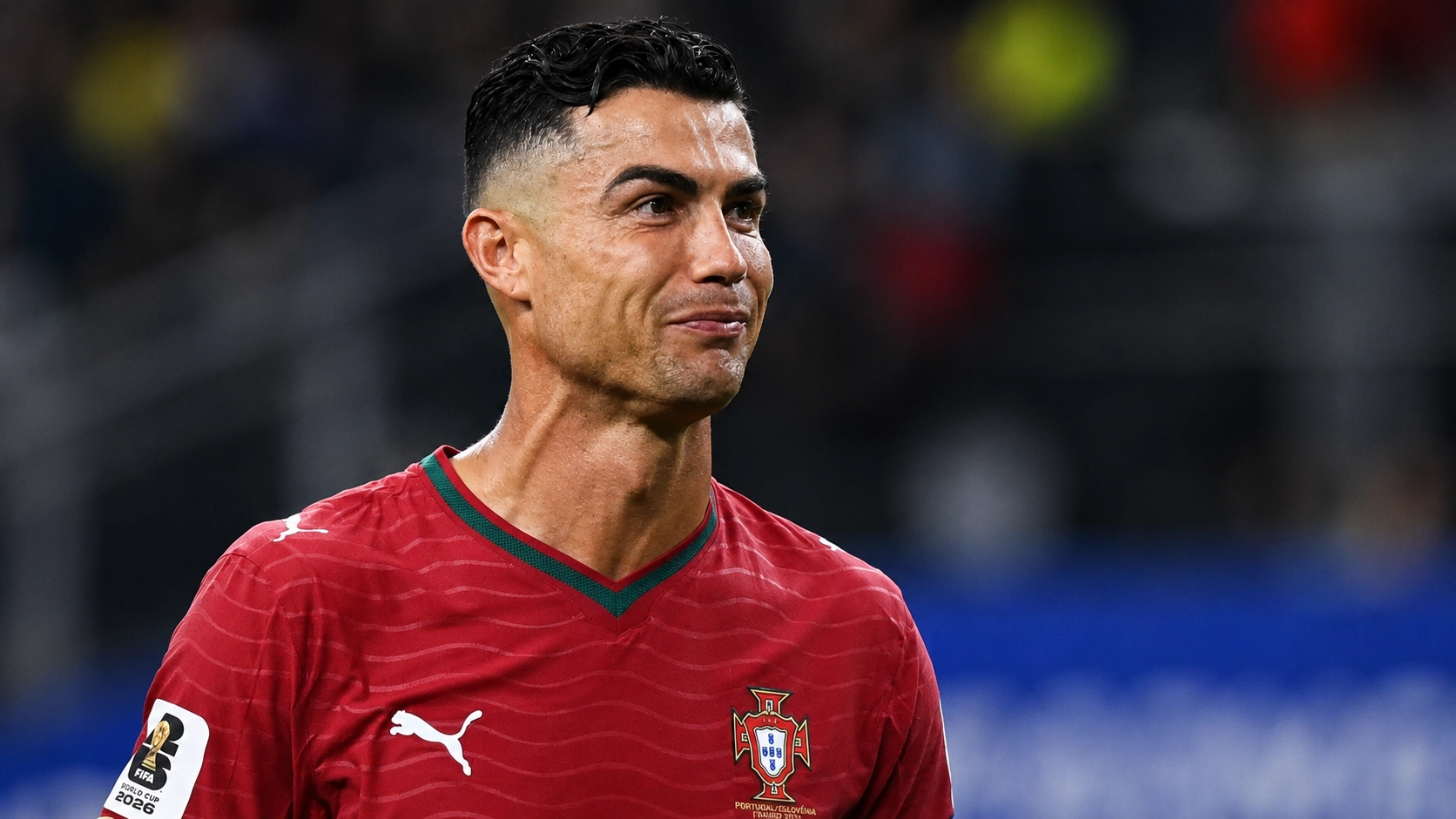
Portugal looks strong with Bruno Fernandes, Bernardo Silva, João Neves, Vitinha, Nuno Mendes, and Cristiano Ronaldo. Brazil remains dangerous through Vinícius Júnior, Raphinha, solid midfield options, and a reliable defensive base.
The list also shows how different generations end up sharing the same tournament. Messi, Modrić, Salah, Van Dijk, Casemiro, and Ronaldo represent experience and legacy. Dembélé, Kane, Fernandes, Mbappé, Vinícius, Valverde, and Saliba are at or near their peak. Yamal, Olise, Doué, Neves, Cherki, Diomande, and Musiala represent the next wave, some of whom will likely have their breakout moments here.
Final Thoughts
The 2026 World Cup isn’t only about which country lifts the trophy. It’s about which players rise above the pressure when the matches start to mean something.
Dembélé starts at No. 1 because of his current level, versatility, two-footed danger, and importance to France. Lamine Yamal follows closely as one of the brightest young talents in the game right now, while Michael Olise, Harry Kane, Bruno Fernandes, Pedri, William Saliba, Raphinha, Bukayo Saka, and Martin Ødegaard round out a top 10 with real depth, creativity, and match-winning ability.
Some of these players will justify their ranking. Some won’t. A few outside the list entirely will become surprise heroes. That’s always been the appeal of the World Cup: reputation gets you into the conversation before a ball is kicked, but performances are what people remember.
0 Comments