


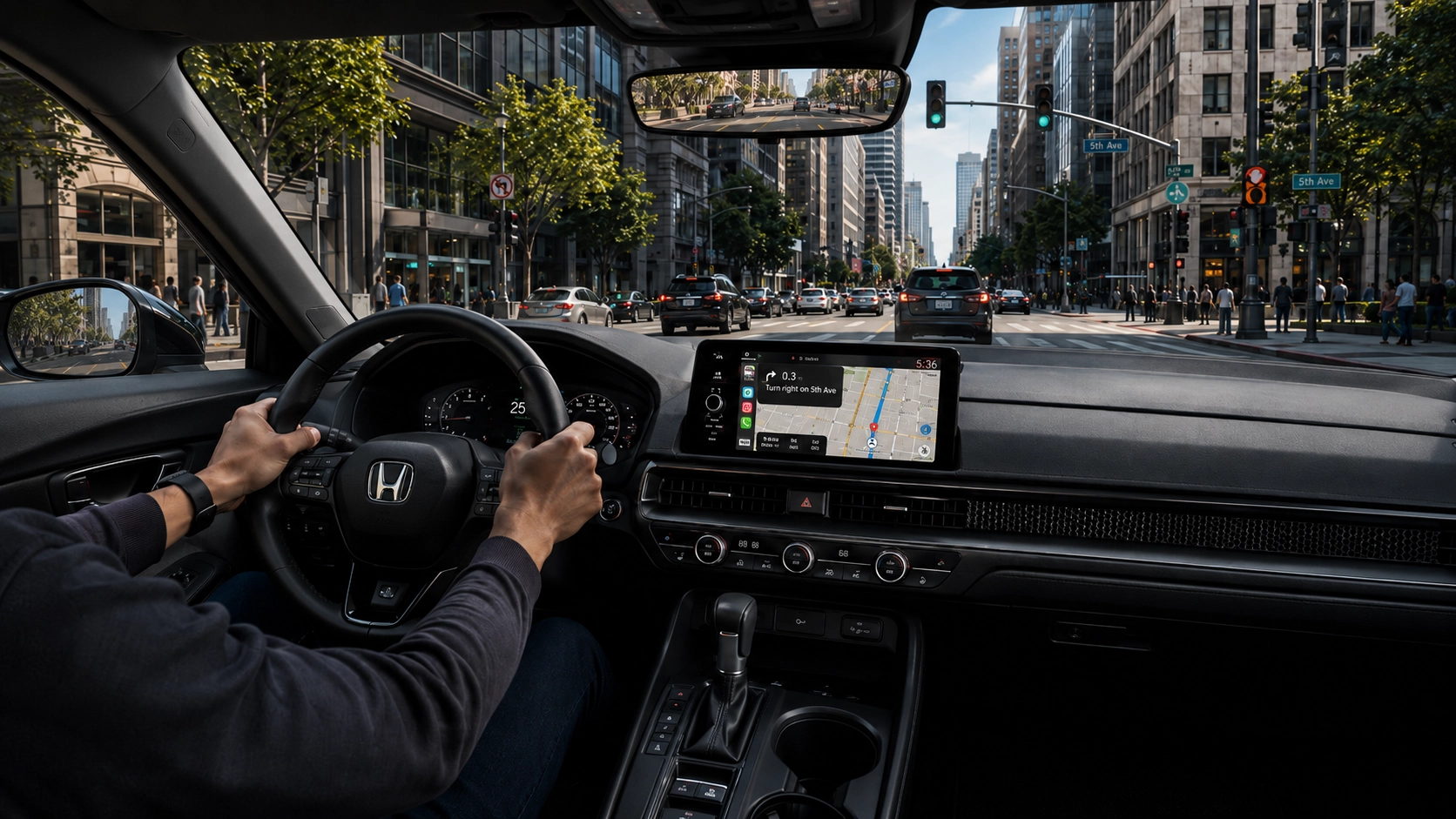
A new driver-focused study is adding fuel to a debate that’s been simmering for years: how much of what a passenger pays actually reaches the driver? According to the analysis, Uber‘s cut of the fare has climbed sharply in some cities, and on certain rides, the company reportedly keeps more than half.
For riders, a trip charge just looks like a number on a screen. For drivers, that split between what the passenger pays and what lands in their pocket has become one of the most frustrating parts of the job.
The study pulled several years of ride data from drivers in Dallas, Miami, and Tampa. It found that Uber’s “take rate”, the platform’s share after the driver is paid, has grown considerably from what it was roughly a decade ago. Back then, drivers generally expected Uber to take a smaller slice. Now, in some markets, that slice reportedly crosses 50%.
That’s not a small thing. Driving for a ride-hailing platform isn’t just about the fare; drivers also cover fuel, maintenance, insurance, taxes, and wear and tear on their own vehicles. If the platform’s share keeps growing, drivers end up working the same hours for less of the actual money changing hands.
Why Drivers Are Concerned
The transparency issue is what really bothers people. Drivers say they often can’t tell how a passenger fare is calculated or why their payout shifts between trips. Since upfront fares became standard, what a rider pays and what the driver receives are calculated separately rather than from a shared time-and-distance formula. That gives Uber more flexibility in how it prices rides, but from a driver’s perspective, it makes earnings harder to predict and easier to question.
Uber’s position is that flexible pricing helps manage demand and balance supply. Fair enough. But when a passenger pays more, and the driver doesn’t see a corresponding bump, trust takes a hit.
Uber describes its service fee as what remains after driver earnings and costs like insurance, taxes, and operational expenses are accounted for. The problem is that “take rate” means different things depending on what you include in the calculation, so the debate rarely reaches a clean conclusion.
The timing of the study is also worth noting. Uber has expanded well beyond ride-hailing, delivery, and advertising into freight and more. Ride-hailing remains the core of the business, so any shift in how revenue is distributed draws attention from drivers, riders, investors, and regulators alike. For more on how companies talk about workforce shifts, see our related piece on corporate AI narratives.
For riders, none of this is visible during a normal trip. But the downstream effects are real. Drivers who feel the deal has turned against them drive less, become harder to find in certain areas, or leave the platform entirely. Longer wait times and thinner supply in some markets are consequences that eventually reach passengers, too.
The deeper question is whether the ride-hailing model can stay attractive to drivers while still delivering the margins Uber needs. If drivers feel the balance has shifted too far, the pressure for regulation, clearer fare breakdowns, and better payout structures will only get louder.
This study doesn’t settle anything. But it does put a number on a concern that drivers have been raising for years: as ride-hailing gets more algorithmic and less transparent, both sides of the transaction want to understand where the money actually goes. Uber’s challenge isn’t just keeping rides cheap and profitable. It’s convincing the drivers that the platform is still worth their time.
0 Comments