


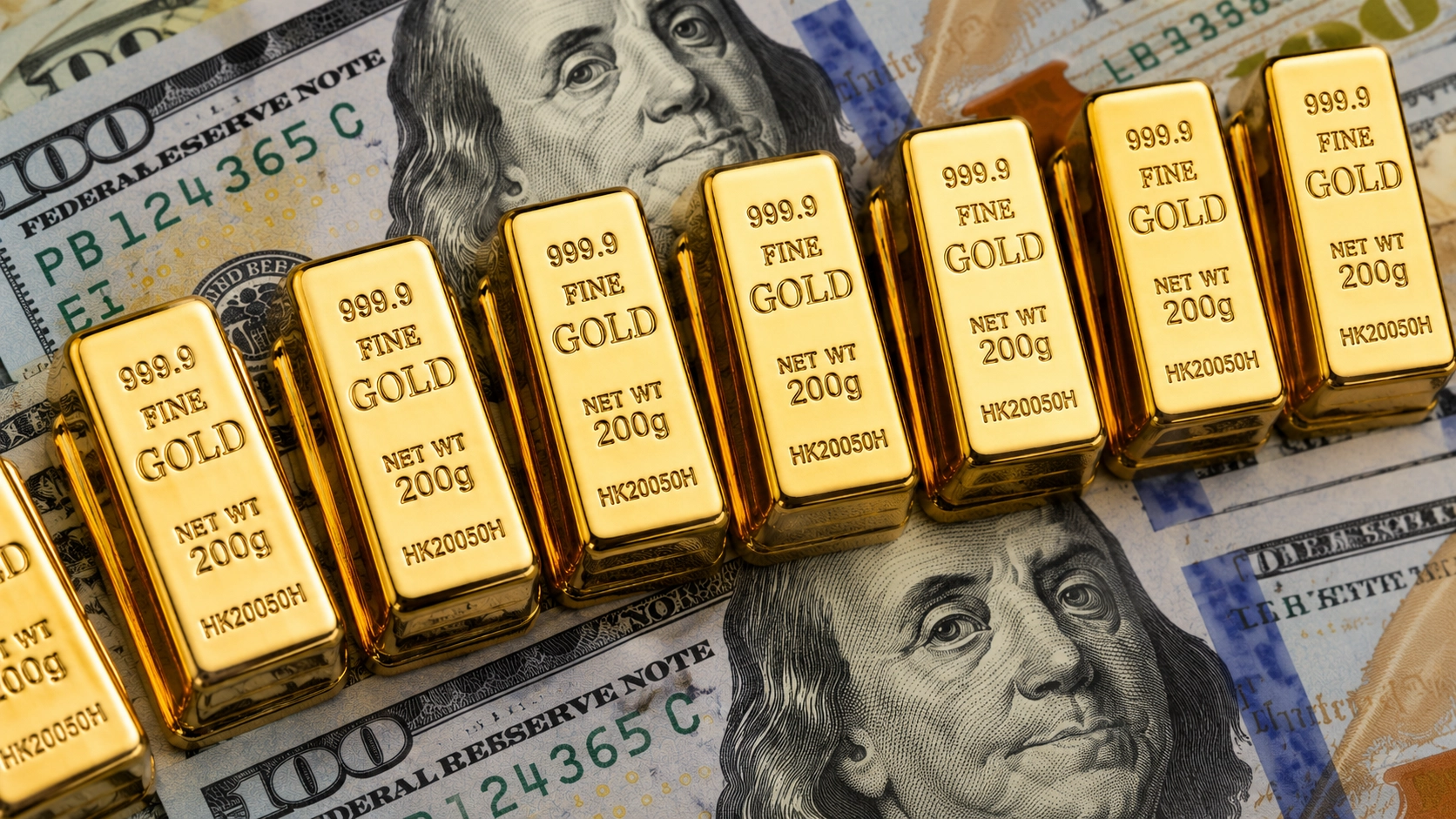
Gold is on pace for its worst quarterly performance since 2013, and the reason is simple enough: Fed rate-hike expectations have completely overwhelmed what was, until recently, a genuinely strong run for the metal.
Spot gold was trading near $4,008 per ounce on Tuesday after briefly dropping to its lowest level since November. June alone has cost the metal more than 11%, shaping up to be gold’s first quarterly decline since 2024 and its steepest quarterly drop since the second quarter of 2013. That’s a significant reversal for an asset that looked unstoppable a few months ago.
The shift in sentiment has been fast. Earlier this year, gold was riding high on Middle East uncertainty, aggressive central-bank buying, and a widespread assumption that US rates would eventually come down. None of that story holds up anymore. The conversation has pivoted entirely to sticky inflation, a stronger dollar, and the genuine possibility that the Fed isn’t done tightening.
This is the classic problem for gold. It tends to do well when people are worried about inflation, conflict, or financial instability, but it doesn’t pay interest, which makes it a much harder asset to hold as bond yields climb and cash starts to look attractive again. Right now, that’s exactly the environment gold is fighting against.
That pressure has built as traders increasingly price in another rate hike this year. The CME FedWatch Tool had markets assigning roughly a 65% probability to a September hike, a number high enough to keep weighing on non-yielding assets like gold for as long as it holds.
Dollar Strength Adds More Pressure
The dollar has been doing as much damage as the rate expectations themselves. A stronger dollar makes gold pricier for international buyers, which dents demand in markets outside the US. That relationship has played out clearly all quarter as the dollar gained ground on stronger economic data, and a complete repricing of the Fed is likely the next move.
The scale of that shift is honestly remarkable. At the start of the year, rate cuts were the dominant expectation. By the end of the second quarter, the question had flipped entirely to whether the Fed might hike again. That repricing pushed the dollar higher and is a big part of why gold has slid roughly 14% this quarter.
Inflation data hasn’t given the market any reason to relax. The Personal Consumption Expenditures Price Index, the Fed’s preferred gauge, rose 4.1% over the 12 months through May. That matched expectations, but it’s still double the Fed’s 2% target, leaving policymakers little room to sound anything but cautious.
The technical picture has weakened right alongside the fundamentals. Gold recently broke below $4,000, a level that had become an important psychological floor for traders. It’s bounced back slightly since, but the break itself was telling. Buyers simply aren’t defending the metal with the same conviction they showed earlier in the year.
It’s not just gold either. Silver, platinum, and palladium have all been hit by the same combination of higher yields, dollar strength, and demand uncertainty. Silver is actually on track for its worst quarterly drop since early 2020, suggesting this is a broad repricing across the metals complex rather than something specific to gold.
The wider market backdrop makes gold’s slide even more notable. Global stocks have been rallying hard, driven largely by AI enthusiasm and a generally strong appetite for risk. When equities are climbing this aggressively, safe-haven demand for gold tends to fade; investors would rather chase upside than park money in a defensive position. That’s added another layer of pressure right at the end of the quarter.
Gold’s longer-term case hasn’t actually disappeared, to be clear. Central banks are still adding to their gold reserves as part of a broader move away from dollar concentration, and geopolitical risk, particularly around US-Iran diplomacy and the fragile Middle East ceasefire, hasn’t gone away either.
But right now, none of that is winning the argument. The Fed narrative is simply stronger than the safe-haven narrative, and investors are prioritizing interest-rate risk over geopolitical protection. That’s the real explanation for why gold has struggled even with global uncertainty still elevated.
For more on the Fed and currency dynamics driving this, see our coverage of the dollar rising after the Fed held rates.
The next real tests for gold come from upcoming labor market data, ADP employment numbers, and the nonfarm payrolls report. Strong jobs data strengthens the case for higher rates and keeps gold under pressure. Weaker numbers could ease some of that pressure by reducing the odds of another hike.
For anyone bullish on gold right now, the path forward is fairly clear, even if it’s not easy. You need evidence that inflation is genuinely cooling, that the dollar rally is losing steam, and that the Fed is closer to pausing than hiking again. Without all three, any recovery is likely to stay limited.
Gold’s worst quarter since 2013 isn’t just a price correction happening in isolation. It’s the market openly rewriting its expectations for where US monetary policy is headed. Until that rewrite stops, bullion will keep struggling to find real momentum.


0 Comments