


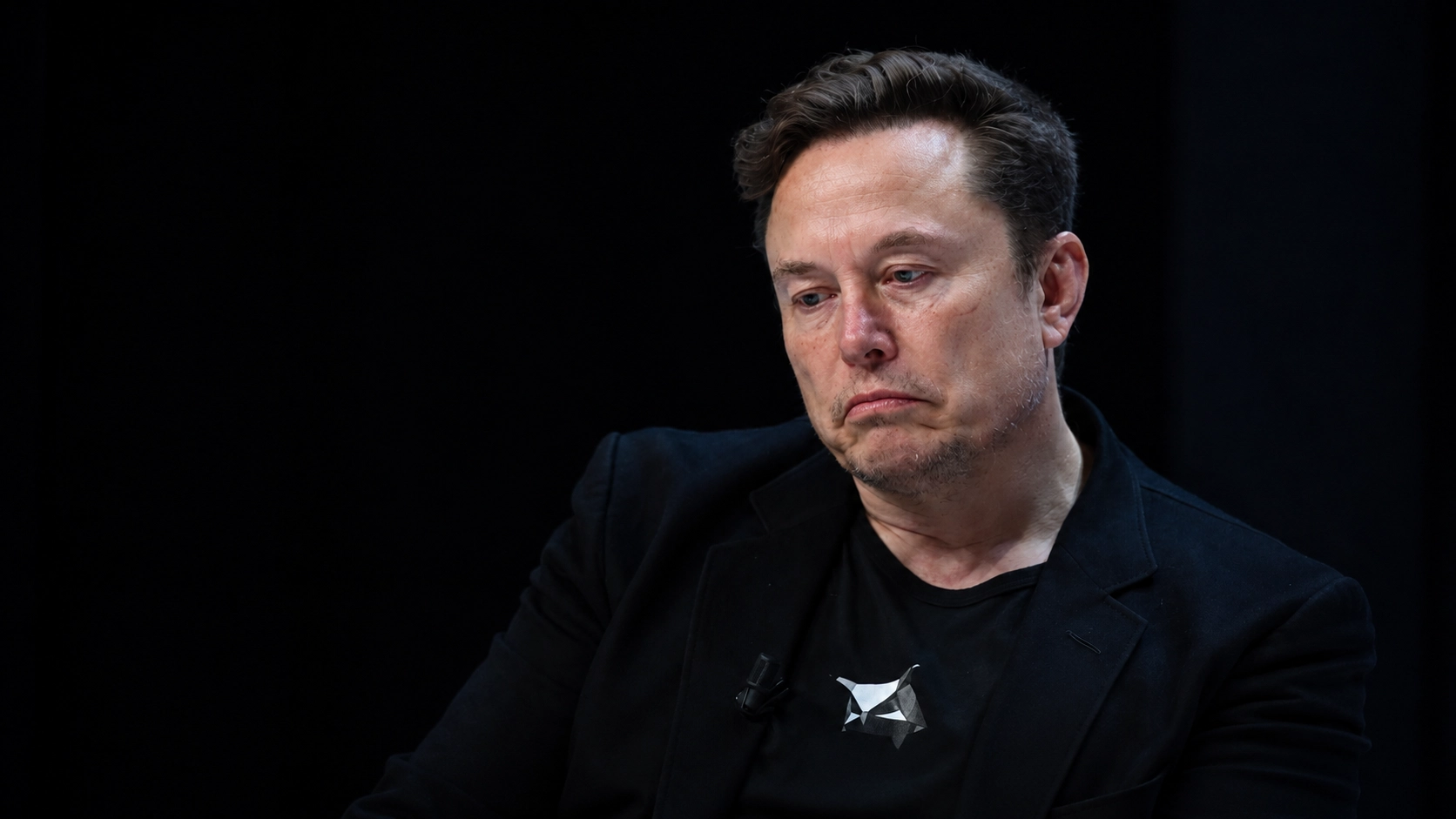
Elon Musk has lost his brief run as the world’s first trillionaire after sharp declines in SpaceX and Tesla shares pulled his paper fortune back below the $1 trillion mark. It’s a dramatic reversal, only days after SpaceX’s blockbuster stock-market debut pushed Musk into financial territory no individual had ever touched.
According to the Bloomberg Billionaires Index, Musk’s net worth fell to about $957 billion after SpaceX shares slid from their post-debut high and Tesla weakened alongside it. He’s still the world’s richest person by a wide margin, but the swing shows how fast extreme wealth tied to volatile public markets can rise and disappear.
SpaceX did most of the damage. The rocket and satellite company had surged after going public earlier this month, briefly pushing its market value above $2 trillion and making Musk the first person to cross the trillion-dollar threshold on paper. But the rally cooled fast as traders took profits, short sellers piled in, and investors started asking whether the early valuation had run too far too quickly.
The stock dropped more than 30% from its peak, falling from around $225 to the mid-$150s. That wiped out hundreds of billions in paper value and took a serious chunk out of Musk’s SpaceX stake along with it. SpaceX is still one of the most valuable companies on the planet, but the speed of the drop was a reminder that even the most hyped IPOs aren’t immune to a hard correction.
Tesla piled on more pressure. The EV maker’s shares fell during the broader tech selloff too, knocking out another major piece of Musk’s fortune. Tesla has long been one of the biggest drivers of its wealth, but the stock has been under pressure from slowing EV demand, margin concerns, competition from Chinese automakers, and growing investor unease about its valuation.
SpaceX Volatility Turns Musk’s Fortune Into a Market Test
Musk’s trillionaire status was always going to be hostage to market pricing. Most of his wealth sits in equity stakes, SpaceX, Tesla, and other ventures, not cash. That means his net worth can swing wildly when share prices move. SpaceX soaring after its debut pushed it past $1 trillion. SpaceX and Tesla both dropped the title away just as fast.
The SpaceX selloff also reflects broader market nerves. Investors have gotten more cautious about high-growth tech and space companies as interest-rate expectations climb. When markets start pricing in higher rates, richly valued companies tend to feel it first, since future earnings get discounted more heavily. AI, space, EVs, all the growth-heavy sectors take the hit together.
Short-selling around SpaceX picked up after the post-IPO slide, too. Traders betting against the stock seem to be testing whether the valuation actually holds once the initial hype wears off. That doesn’t mean SpaceX’s long-term story has changed, but it does mean public markets are now applying daily pressure to a company that used to be valued privately, away from constant scrutiny.
For SpaceX, the job now is proving its market value is backed by real earnings potential, not just excitement. The company has genuine strengths: reusable rockets, government launch contracts, Starlink’s global satellite-internet business, and serious long-term ambitions in space infrastructure. But investors are also watching the heavy spending, the bond sales, and how aggressive the expansion plans really are.
That’s why this selloff matters beyond Musk’s personal wealth. SpaceX is a public company now, and its share price has become a proxy for investor confidence in commercial space generally. Readers following the company’s debut can also check our coverage of SpaceX’s historic IPO market debut.
Tesla’s challenge is different but related. The market doesn’t price Tesla as just a carmaker anymore; investors are pricing in autonomous driving, robotics, batteries, AI, and energy products too. That makes the stock sensitive to both EV fundamentals and broader tech sentiment at the same time. When tech shares wobble, Tesla usually feels it.
Musk’s wealth swing also says something about how billionaire rankings work now. A single week of trading can create or erase hundreds of billions in paper fortune. The numbers are staggering, but they’re not fixed; they move with share prices, sentiment, and expectations about growth that haven’t even happened yet.
That said, the drop doesn’t dent Musk’s overall dominance on global wealth lists. Even below $1 trillion, he’s still way ahead of whoever’s in second place. His position rests on stakes across several major companies, Tesla, SpaceX, X, xAI, and others.
The bigger question is whether the market settles down around SpaceX and Tesla. If SpaceX bounces back and Tesla recovers, Musk could reclaim trillionaire status quickly. If the selloff keeps going, the gap between the hype around his companies and what they’re actually worth could turn into a real Wall Street debate.
For now, Musk slipping below the trillion-dollar mark is a reminder that even record-breaking fortunes are fragile when they’re built on fast-moving stocks. SpaceX made him the world’s first trillionaire. It’s drop, paired with Tesla’s weakness, has taken that title away again, at least for now.

0 Comments