


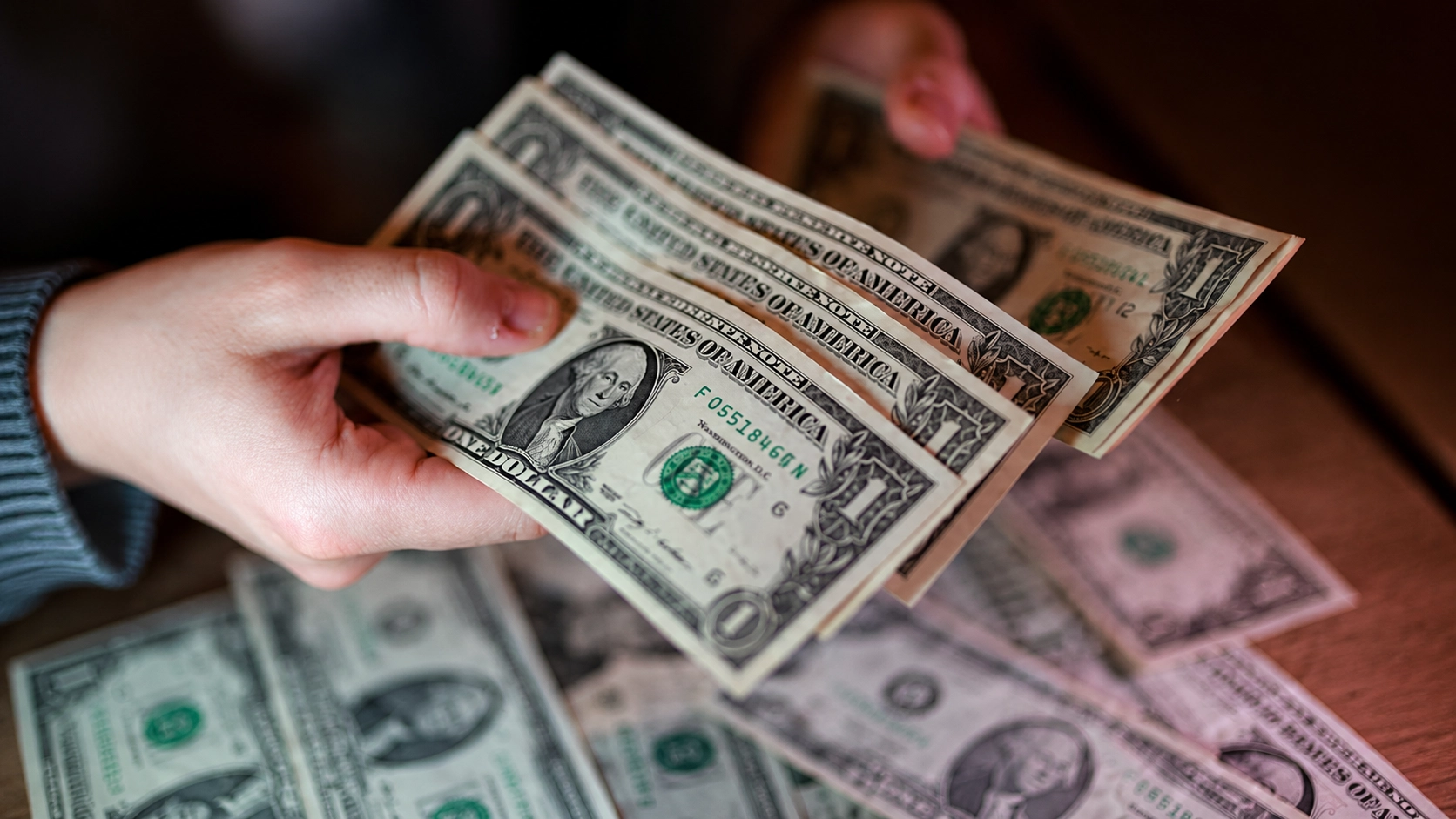
The US dollar climbed to a 13-month high as investors scrambled to price in the chance of more Federal Reserve rate hikes, and the pressure spread fast across stocks, currencies, metals, and emerging markets.
The US Dollar Index, which tracks the greenback against a basket of major currencies, hit its strongest level since May 2025. The move came after the Fed’s latest comments convinced traders that US rates might not just stay higher for longer, but could actually go up again.
That changes the tone everywhere. A stronger dollar tends to tighten financial conditions globally, since so many commodities, loans, and trade flows are priced in dollars. When the greenback jumps quickly, it squeezes foreign currencies, adds to debt burdens in emerging markets, and makes risk assets a tougher sell.
Traders are now betting on a much higher chance of a hike in the coming months. The odds of a July increase jumped from where they were a week earlier, and September odds climbed too. That’s pushed Treasury yields up and made dollar assets look more attractive next to everything else.
The fallout has been broad. The euro and pound both weakened, and the yen drifted close to its weakest point in roughly four decades. That slide has Japanese officials worried, and there’s growing talk of possible intervention if things get too disorderly.
Fed Bets Turn the Dollar Into the Market’s Main Driver
This is a genuinely different market than the one we had a few months ago. Back then, everyone was asking when the Fed would start cutting. Now it’s whether sticky inflation, strong data, and a more hawkish Fed could force another hike instead.
That shift matters because rate expectations sit underneath basically all global asset pricing. Higher US rates pull money toward dollar assets, especially while other central banks stay cautious. From there, it’s a chain reaction: weaker foreign currencies, tighter liquidity worldwide, softer commodity demand, and more pressure on growth stocks.
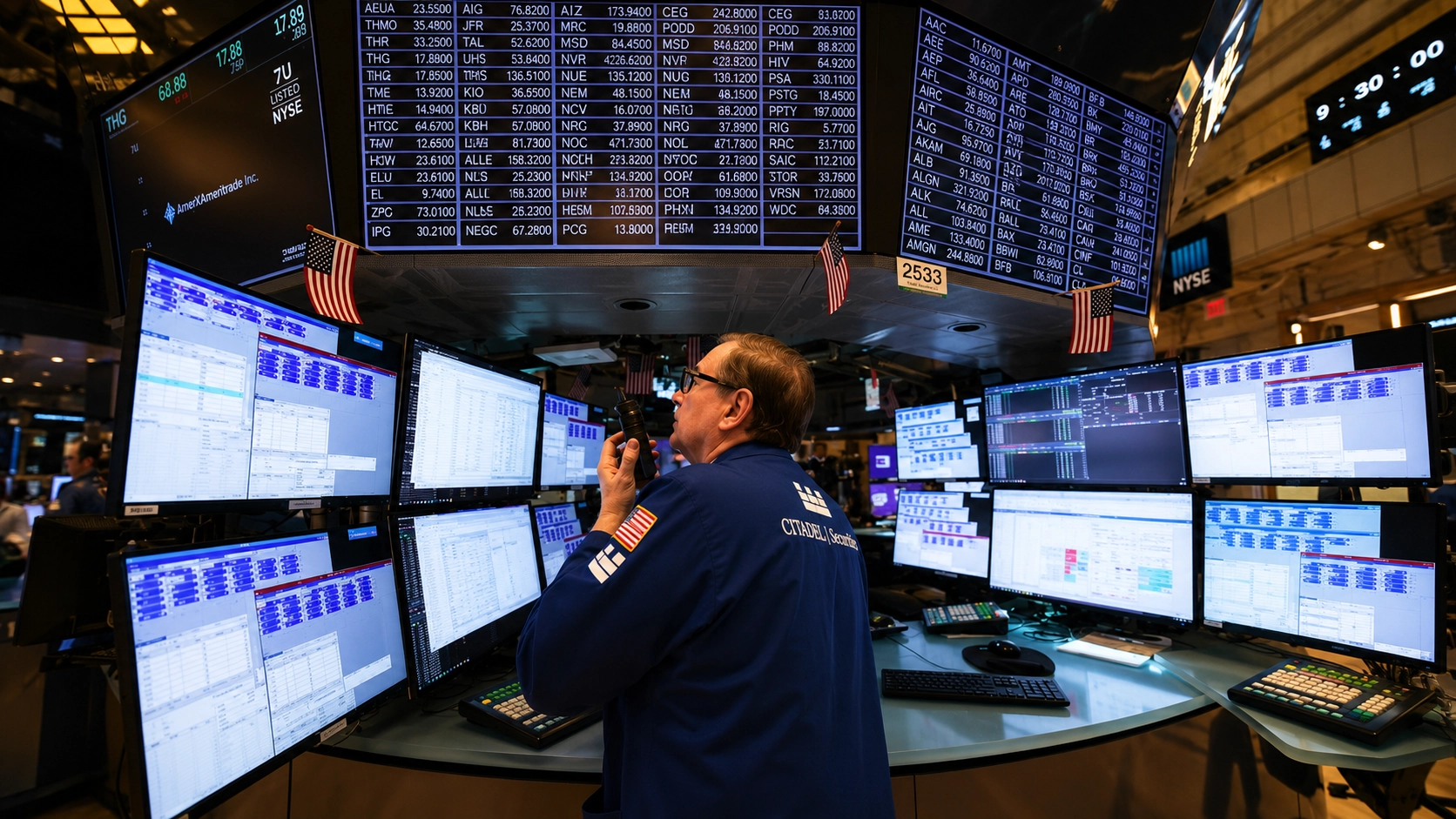
You could see it in equities right away. Tech and semiconductor names sold off hard. The Nasdaq dropped as people started questioning how stretched AI valuations had gotten, and the S&P 500 wasn’t far behind. Chipmakers took some of the worst of it, which says a lot about how exposed high-growth sectors still are to rising discount rates.
Gold and crypto got hit too. Gold usually struggles when the dollar and yields climb together, since it pays no income of its own. Bitcoin and other digital assets slipped as traders backed away from riskier bets.
Emerging markets caught an extra dose of pain. A rising dollar usually means weaker local currencies, pricier imports, and more strain on foreign debt payments. The Indian rupee slipped, other Asian currencies softened, and regional stocks fell as everyone adjusted to a stronger dollar.
The timing makes it messier, too, with oil, US-Iran talks, and inflation data all in play at once. Oil has cooled off a bit thanks to temporary relief around Iran sanctions and the peace talks, but inflation worries haven’t gone anywhere. Markets are now waiting on the Fed’s preferred gauge, the Personal Consumption Expenditures Price Index, for some sign of whether prices are actually cooling.
If you want the backstory, we covered the dollar’s earlier rise after the Fed held rates in an earlier piece.
The real question is whether this rally has more room left. If inflation stays firm and the Fed keeps the door open to hiking, the dollar probably holds its strength. But if the data softens, or officials walk back the hawkish talk, some of this move could unwind fast.
For markets elsewhere, the worry is a dollar that climbs too far too fast. A steady rise can just reflect confidence in the US economy. A sudden surge tends to create stress elsewhere, especially in countries already juggling high borrowing costs and shaky currencies.
That’s why everyone is parsing Fed officials’ word choices as closely as the actual data. One offhand comment can shift rate expectations. A shift in expectations moves the dollar. And once the dollar moves, pretty much every major asset class feels it.
This 13-month high isn’t just a line on a currency chart. It’s a sign that the easy “rate cuts are coming” story has fallen apart, at least for now. Until there’s clearer proof that inflation is actually cooling and the Fed is done tightening, the dollar looks like the thing driving everything else.
0 Comments