


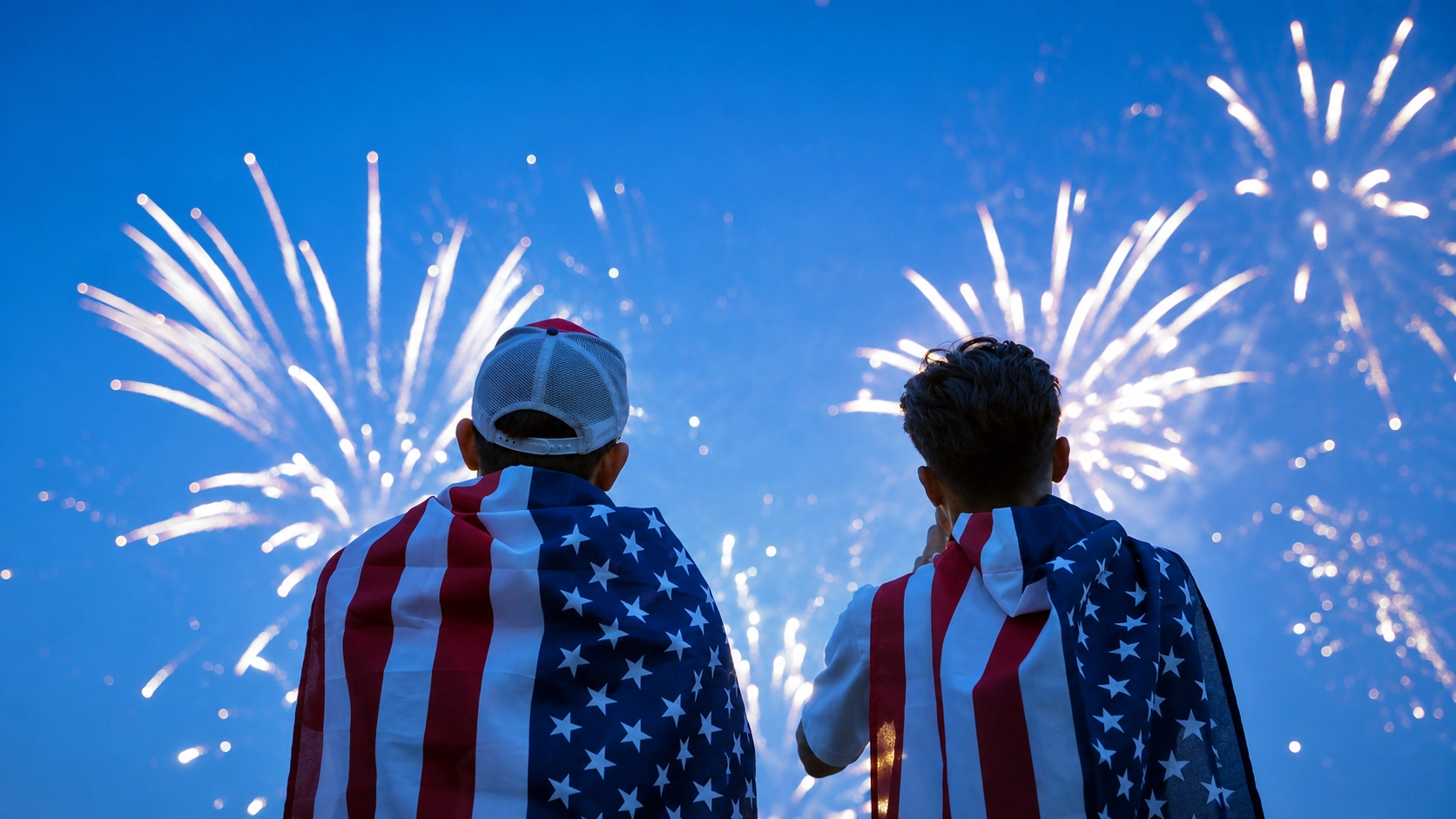
The United States turns 250 today, and the country is marking the occasion as it usually does, with fireworks, parades, cookouts, and considerable disagreement about exactly what is being celebrated.
July 4, 2026 is the semiquincentennial of the adoption of the Declaration of Independence in 1776. Major events are happening across the country, with the biggest programs centered in Washington, Philadelphia, New York, and other cities whose names are woven into the founding story.
In Washington, the National Mall is the main stage. The National Park Service has been building toward this anniversary for months, framing it as a chance to reflect on the country’s history through its national parks, monuments, and public programs. The centerpiece event is Freedom 250’s “Salute to America” celebration near the Washington Monument, with performances, military flyovers, national speakers, and a fireworks display scheduled for late evening.
The heat is a real consideration. Organizers said the Washington Monument grounds won’t open until 5 p.m. specifically to limit how long visitors are standing in extreme temperatures. Water stations, cooling areas, and extra medical support are spread across the site, a practical reminder that American summers don’t make allowances for historic milestones.
Away from the official programs, the day will look pretty familiar for most people. A Reuters/Ipsos poll found that 80% of Americans plan to celebrate in some form, 48% at a cookout, 34% at a fireworks show, and 41% planning to put a flag or bunting outside their home. The rhythms of the holiday haven’t changed much in 250 years, even if nearly everything else has.
What has changed is the mood around the anniversary. The same poll found about one in five Americans don’t plan to celebrate at all, while 57% described July 4 as primarily a day to rest, spend time with people they care about, or just another day off. That’s not cynicism exactly; it’s a more complicated relationship with the holiday than the official commemorations tend to acknowledge.
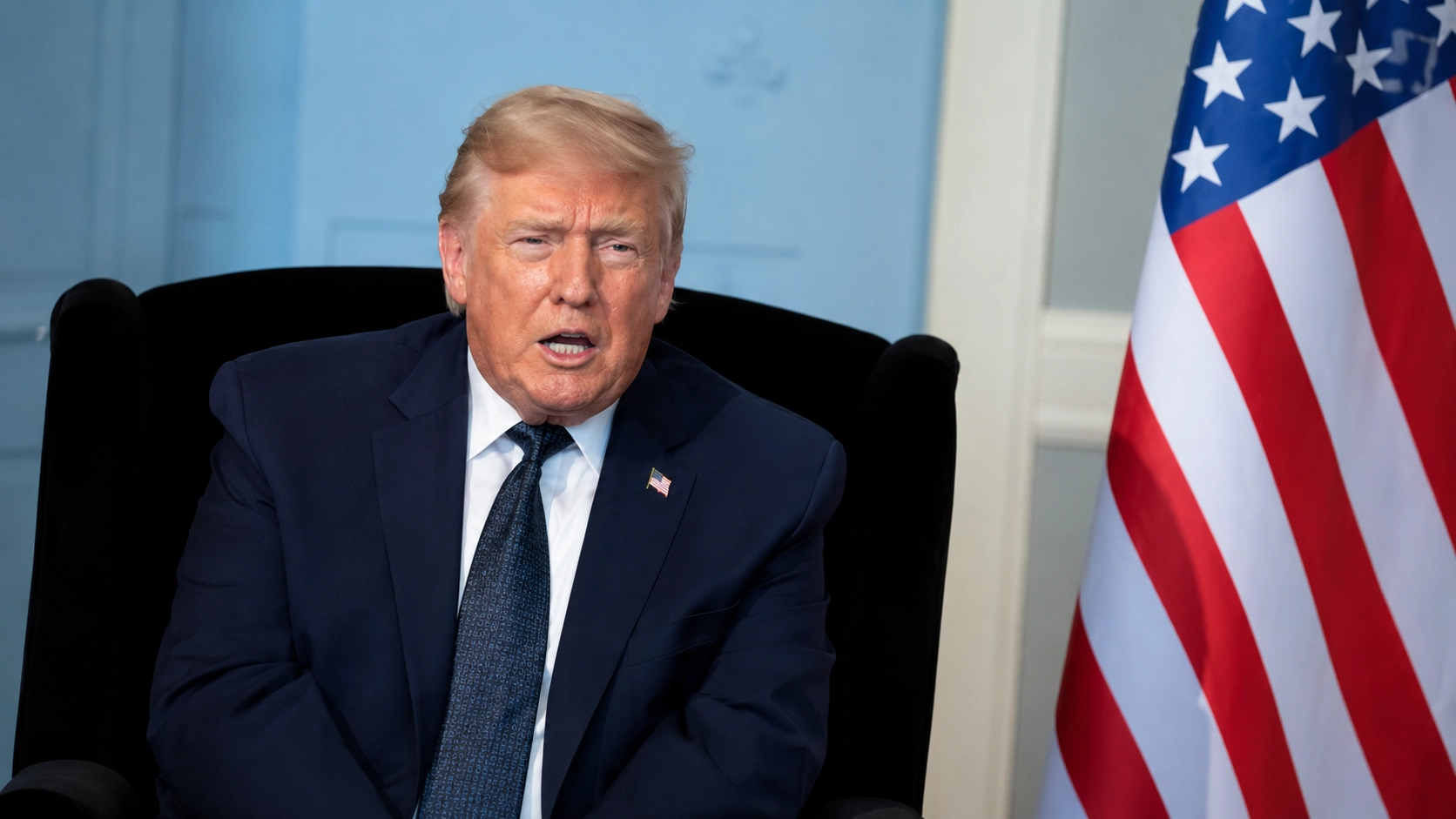
The political divisions are visible in the commemorations themselves. President Trump has put his stamp on the anniversary through Freedom 250, a White House-backed initiative that operates separately from America250, the congressionally chartered commission that was created specifically to coordinate semiquincentennial events. That split has drawn criticism from Democrats and historians who argue a national birthday of this scale should remain nonpartisan. Supporters see it differently, as a rare opportunity to honor the founding and the country’s survival through wars, crises, and political upheaval.
The disagreement is really a smaller version of a much larger question: can Independence Day still work as a unifying ritual for a country this divided? The 250th anniversary arrives at a moment when Americans are genuinely arguing about their history in ways that feel different from those of previous generations, not just about what happened, but about what the founding actually meant and who it was meant for.
Historians and civil-rights advocates have been pushing for commemorations that tell a fuller story, one that includes slavery, Indigenous dispossession, immigration, and the long, unfinished work of expanding the promises the Declaration made. Philadelphia, where the Declaration was adopted, has become a particular focal point for that conversation, historic sites drawing large crowds while civic groups use the anniversary to hold both the founding ideals and the gaps between those ideals and reality in the same frame.
None of that stops the celebrations. The flags go up, the grills get lit, the fireworks go off. But the 250th anniversary gives all of those familiar traditions a different kind of weight than a regular July 4 carries.
For more on major developments across the world, see our latest world coverage.
What today actually represents depends on who you ask. For some Americans, 250 years is a moment of genuine pride: a republic that survived a civil war, two world wars, economic collapse, and decades of political conflict is still standing and still arguing about its future, which is maybe the most American thing imaginable. For others, the anniversary is an invitation to be honest about how much of the Declaration’s promise remains undelivered.
Both things are true at once, which is probably fitting for a country that has always contained more contradictions than its founding documents could fully resolve.
The fireworks will light up the sky tonight across every corner of the country. The larger question, what America chooses to do with its next 250 years, will still be there in the morning.
0 Comments