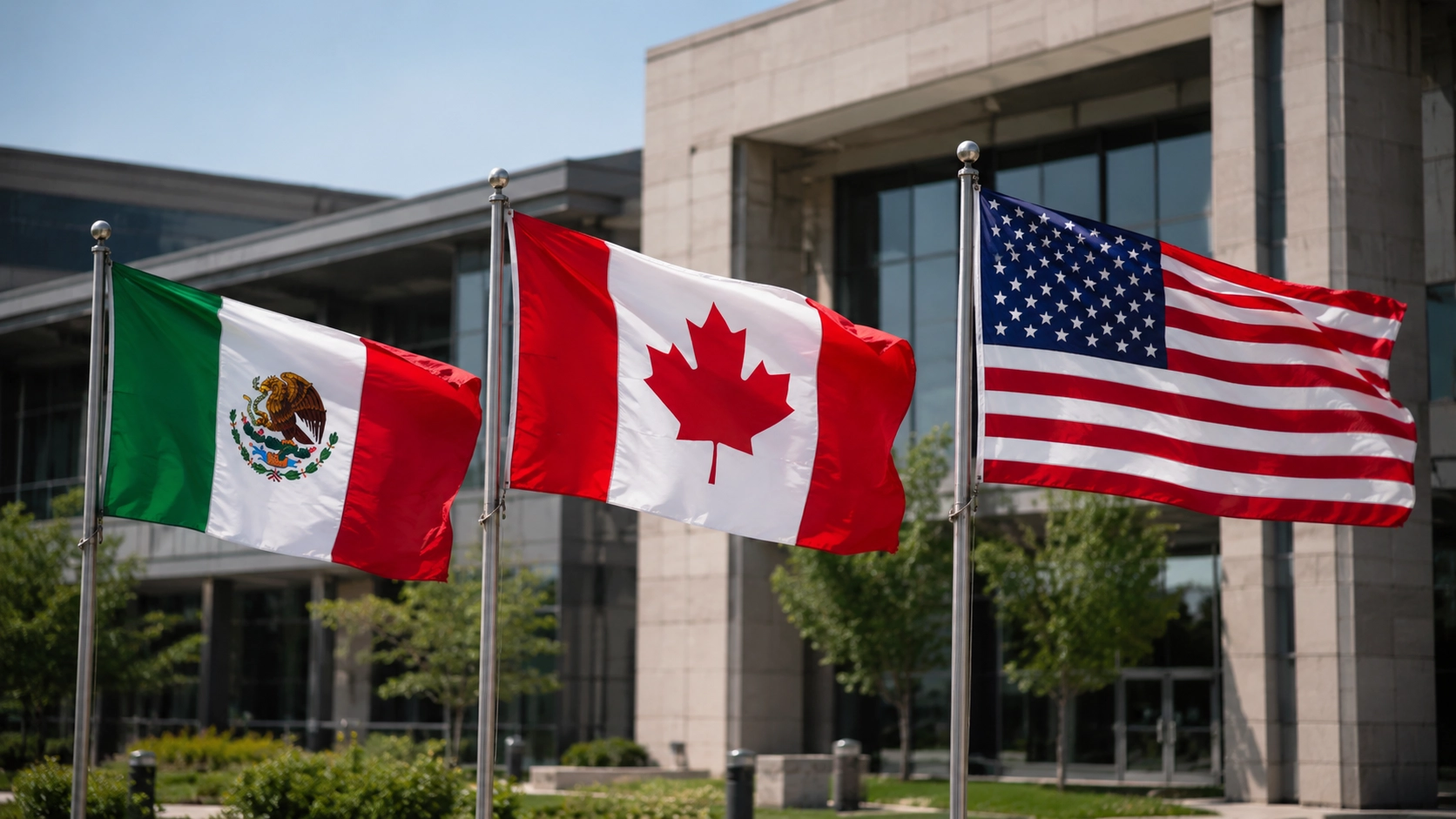
The United States, Canada, and Mexico are heading into a significant moment for North American trade, with the first formal trilateral review of the United States-Mexico-Canada Agreement reportedly scheduled for July 1. Tariffs, manufacturing policy, agriculture, autos, and supply chain security are all on the table, and the outcome could shape how the three economies operate together over the next decade and a half.
The July 1 date carries its own symbolism; it marks the sixth anniversary of USMCA entering into force. Under the agreement’s built-in review clause, the three governments are required to examine how the deal is working and decide whether to extend it for another 16 years. If all three agree, businesses get the long-term certainty they’ve been asking for. If one side refuses, the agreement doesn’t collapse immediately; it enters a more precarious period of annual reviews that could eventually lead to its expiration in 2036.
That structure makes this review different from a routine trade meeting. It’s a political test, one that asks whether the US, Canada, and Mexico still want the same framework sitting at the center of their economic relationship.
The stakes are real. USMCA governs one of the most deeply integrated regional economies in the world, particularly in autos, agriculture, energy, and cross-border manufacturing. Cars can cross borders multiple times before final assembly. Farmers rely on predictable access to nearby markets. Manufacturers have built entire supply chains around tariff-free movement. Uncertainty around the agreement doesn’t stay abstract for long; it shows up in investment decisions pretty quickly.
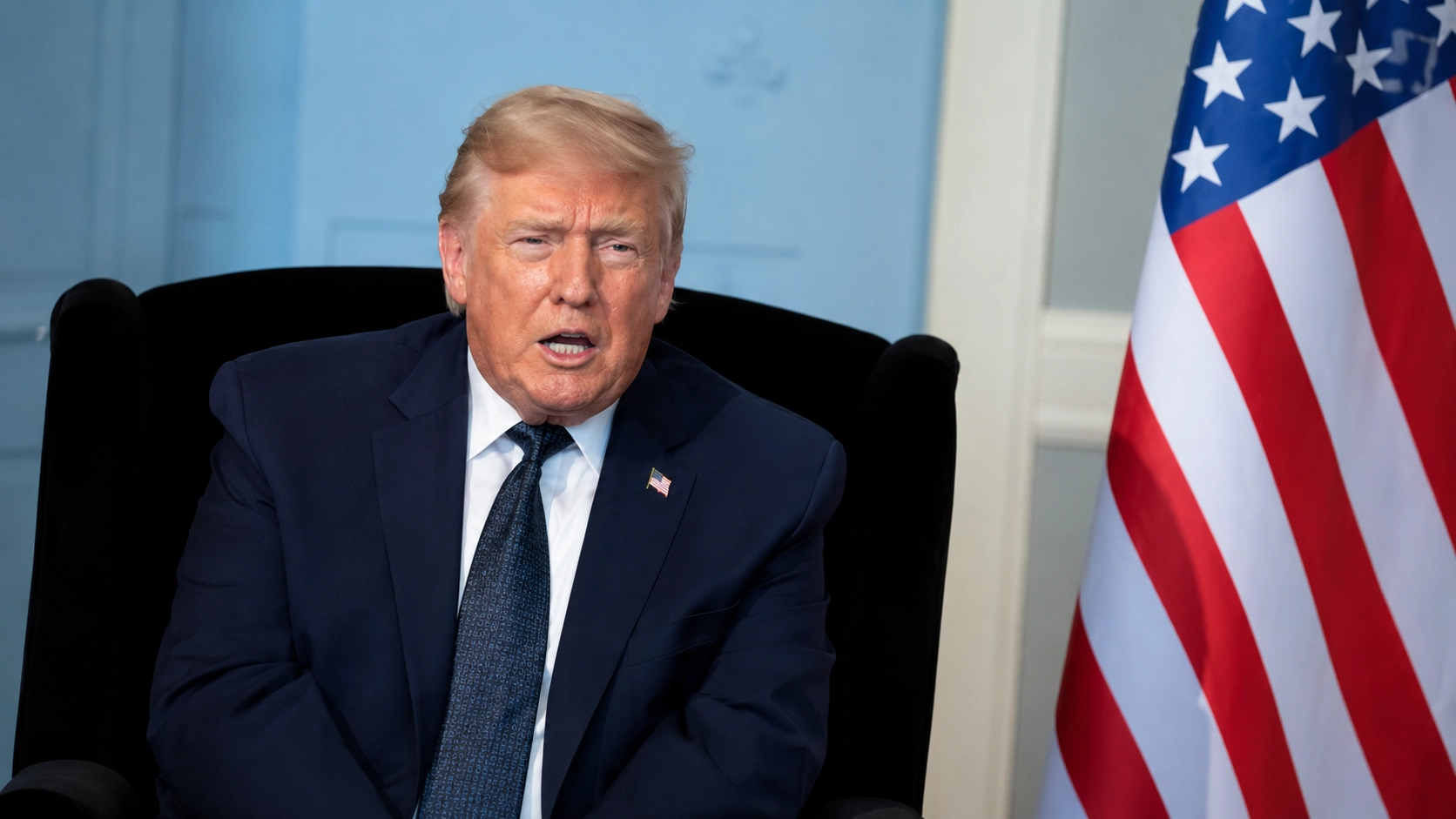
For the US, this review comes at a time when President Trump has been taking a tougher line on trade generally. He’s questioned whether America benefits enough from the deal and signaled that Washington may want stronger terms. That puts negotiators in a familiar bind: demonstrate that USMCA serves American workers and industries while also giving the administration room to push for changes it can point to as wins.
Canada comes in focused heavily on tariff relief, especially for steel, aluminum, and auto sectors hit by US duties. Ottawa’s position will likely be that the agreement should lock in trade stability while addressing the immediate pressure those sector-specific tariffs have created. The bigger worry for Canada is that prolonged uncertainty starts discouraging the kind of cross-border investment that keeps its manufacturing base competitive.
Mexico, for its part, has signaled it wants a straightforward 16-year extension. That’s not hard to understand: USMCA has been central to Mexico’s export-driven economy, and the nearshoring wave that’s brought manufacturing closer to the US market depends almost entirely on confidence that the regional trade framework stays intact.
What the July 1 Review Could Decide
The core question is whether all three can agree on an extension. A clean extension gives businesses the clarity they need and lets governments focus on improving specific provisions rather than relitigating the whole framework. If the review turns into a pressure point for broader renegotiation, the fallout could mean years of uncertainty for companies that need stable rules to plan factories, supply chains, and long-term contracts.
Autos will dominate the conversation. It’s one of the most integrated sectors in North America, and rules of origin, regional content requirements, and electric vehicle supply chains are all genuinely complicated right now. The US wants to protect domestic manufacturing. Canada and Mexico want to preserve the regional production model that has kept North American automakers competitive with rivals elsewhere.
Agriculture is the other minefield. US farm groups want stronger access to Canadian dairy markets and better treatment for corn and ethanol in Mexico. Mexico has its own political sensitivities around food security. Canada wants to protect vulnerable sectors without triggering a wider trade fight. Nobody gets everything they want here, which means the negotiations require real give-and-take.
Labor enforcement and concerns about industrial competition are likely to come up too. The US has already used USMCA’s labor provisions to challenge workplace practices in Mexico, and there’s pressure to push further on that front. All three countries also share concerns about dumped goods and China’s role in regional supply chains; the review could become a place to address how North America protects its manufacturing base from that kind of pressure. For more on how US industrial policy is developing alongside these talks, see our coverage of US manufacturing strategy.
The business community’s concern isn’t really that USMCA disappears overnight; it won’t. The sunset and review structure make that unlikely in the near term. What actually worries companies is the uncertainty. Anyone planning a new factory, a vehicle platform, or a long-term agricultural contract needs to know what the rules will be. If the review casts doubt on whether tariff-free trade will continue, that hesitation shows up in capital allocation pretty quickly.
The political difficulty here is that all three governments are walking in with different shopping lists from the same store. The US wants better terms and stronger domestic protections. Canada wants tariff relief and stability. Mexico wants extension and certainty. Those interests overlap enough to make a deal possible, but they clash enough to make it hard.
The underlying case for keeping the agreement alive is actually pretty strong. USMCA gives North America a genuine structural advantage at a moment when global supply chains are being reorganized everywhere. Rather than relying on distant manufacturing hubs, the three countries can build a regional production base spanning energy, food, cars, chips, critical minerals, and advanced manufacturing. That’s not a small thing right now.
Which is why July 1 matters more than just as a calendar date. It’s a test of whether the US, Canada, and Mexico can manage their differences well enough to protect the economic system they’ve built together, one that benefits all three even when the politics between them get complicated.
A good outcome doesn’t require solving everything on day one. It just requires enough political goodwill to keep the deal alive, reduce the uncertainty already affecting investment decisions, and create a path to work through the harder issues over time. A bad outcome wouldn’t kill USMCA immediately, but it could set off a decade of instability around one of the world’s most consequential trading blocs.
For now, three countries with different priorities and the same basic economic reality are heading into the same room. North America’s economies are too connected for uncertainty to be a neutral outcome. July 1 will show whether USMCA is still a foundation for shared growth or whether it’s becoming the next major flashpoint in global trade.