


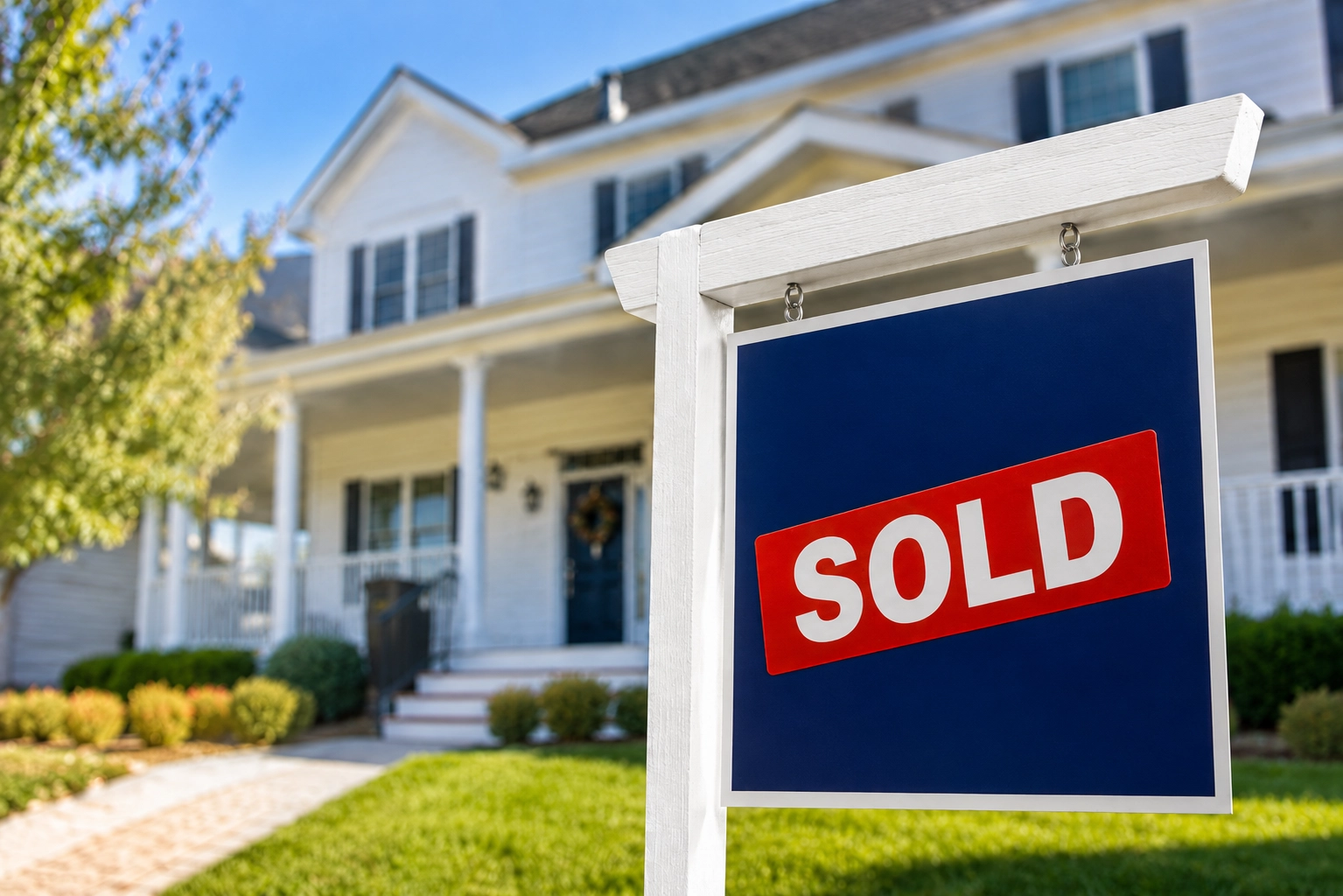
US pending home sales hit a six-month high in May, giving the housing market a rare bit of good news despite mortgage rates that remain high for many buyers. According to the National Association of Realtors, contract signings rose 3.8% from April and 4.8% year over year, a sign that some buyers may simply be done waiting for rates above 6% to feel temporary.
The jump beat economists’ expectations, and it’s a noticeable shift after months of uneven activity. Pending sales matter because they track signed contracts rather than closings, which makes them a decent early read on where existing-home sales are headed one or two months out.
None of this means the housing market is suddenly healthy. Affordability is still tight, inventory is still thin in many places, and borrowing costs are still stretching budgets. But demand clearly hasn’t vanished. A lot of buyers who’d been sitting on the sidelines waiting for rates to drop appear to be coming back in, rate environment or not.
Mortgage rates remain the main obstacle here. Freddie Mac put the average 30-year fixed rate at 6.52% as of June 11, up slightly from 6.48% the week before. A rate above 6.5% still makes monthly payments meaningfully more expensive than during the pandemic-era lows, especially with home prices still elevated in most major cities.
Even so, buyers seem to be adjusting their expectations. NAR Chief Economist Lawrence Yun called May’s increase a late-spring buyer rush and noted that consumers appear to be settling into mortgage rates above 6% as the new baseline. That’s not the same as buyers being happy about it. It’s more that households are realizing that waiting indefinitely probably won’t improve their situation much.
What the May Housing Data Shows
The gains showed up everywhere, not just in one region. All four major US regions posted increases, with the Northeast and Midwest leading, up 8.7% and 8.1%, respectively, for the month. The South rose 1.0%, the West gained 0.7%, and every region was up year over year, too.
That spread is worth paying attention to. The Northeast has been held back by tight supply and fast-rising prices, so seeing buyers move quickly when homes do hit the market suggests real pent-up demand. The Midwest’s relative affordability compared to coastal markets may be giving buyers there more room to work with, even at higher borrowing costs.
Supply is still the bigger constraint, though. A lot of homeowners locked in pandemic-era low rates and have little incentive to sell, since buying their next home would mean trading that low rate for something well above 6%. This lock-in effect has kept listings tight, particularly at the entry level, and it’s made it genuinely hard for first-time buyers to get in.
The timing also lines up with the Federal Reserve keeping pressure on inflation. Higher inflation expectations and rising Treasury yields can push mortgage rates up even though the Fed doesn’t directly set them, which is why anyone watching housing closely also has to keep an eye on oil prices, bond yields, and whatever signal the Fed sends next.
For more on that angle, see our coverage of the Fed’s latest inflation warning.
Part of what’s driving May’s numbers might just be fatigue. After years of waiting for prices or rates to fall sharply, some households seem to be accepting that a return to 2020 or 2021 conditions isn’t coming anytime soon. For people who need more space, are relocating for a job, or have some other life change forcing a move, sitting around waiting just isn’t realistic anymore.
There’s also a chance some of this reflects buyers rushing to lock in contracts before rates climb further. If inflation remains sticky, or the Fed keeps signaling that tighter policy is still on the table, mortgage rates might not ease as much as buyers hope. That’s enough incentive on its own to sign now rather than gamble on better conditions later.
For sellers, this is decent news. More contract activity means buyers are still showing up, especially where homes are priced sensibly. Sellers shouldn’t get too comfortable, though; high rates still cap what buyers can afford, and overpriced listings can sit for a while even in markets where demand is picking back up.
Beyond real estate itself, housing matters to the broader economy through construction, furniture sales, mortgage lending, and local tax revenue. A rise in pending sales points to some resilience, but the market is still working against high borrowing costs and limited inventory.
The real test now is whether these pending contracts actually close. Financing delays, appraisal hiccups, inspection issues, and affordability problems can all still derail a deal before it’s final. If May’s pending sales convert cleanly into closed sales, that’s a much stronger signal that buyers are genuinely re-entering the market rather than just testing the water.
For now, the picture is mixed but not discouraging. The housing market isn’t booming, but it isn’t frozen either. Buyers are figuring out how to work around higher rates, sellers are seeing more traffic, and regional demand is showing real signs of life in places that had been stuck.
This six-month high suggests demand has more staying power than many people assumed. But until rates come down meaningfully or inventory loosens up, expect the recovery to stay cautious, uneven, and tightly tied to whatever happens with affordability next.
0 Comments