


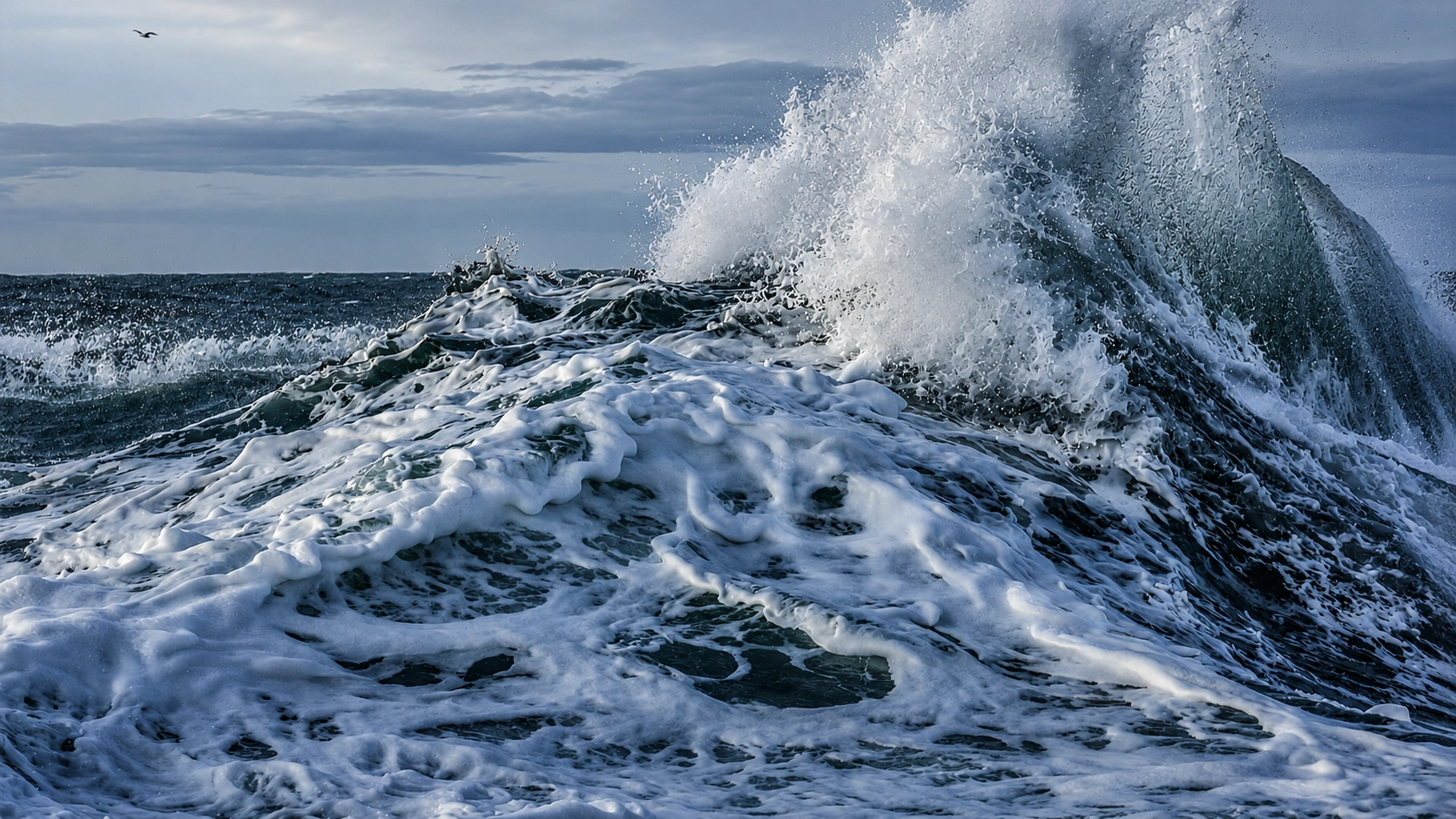
Global ocean surface temperatures reached a record high in June, and scientists are concerned the world may be moving into a more dangerous phase of climate instability.
Data from the Copernicus Climate Change Service showed that sea surface temperatures outside the polar regions exceeded the previous records set in 2023 and 2024. Unusually warm oceans can intensify storms, disrupt rainfall patterns, damage marine ecosystems, and push global temperatures higher, which is why the new high has researchers paying close attention.
Oceans absorb most of the excess heat trapped by greenhouse gas emissions, and when they warm, the effects don’t stay at sea. Warmer water fuels stronger tropical storms, increases humidity, worsens coastal flooding, and places greater stress on fisheries, coral reefs, and marine life.
What made the latest readings especially concerning is timing. June isn’t normally the peak month for global sea surface temperatures; that tends to come later in the year. If current trends hold, further records are still possible before the season is out.
The surge also comes as climate agencies monitor the possible development of a strong El Niño, the natural climate pattern that warms parts of the tropical Pacific and can raise global temperatures more broadly. El Niño can intensify heatwaves, shift rainfall, and increase the risk of extreme weather across many regions.
But scientists are clear that El Niño alone doesn’t explain what’s happening. Long-term climate change, driven largely by fossil fuel emissions, has steadily increased the amount of heat stored in the ocean over decades. That background warming makes each new El Niño event more likely to push temperatures into record territory than they otherwise would.
The Copernicus Marine Service has also tracked unusually warm waters across parts of Europe and the wider global ocean. Marine heatwaves have been reported in several regions, including the North Atlantic and Mediterranean, where high sea temperatures affect weather systems, coastal economies, and marine biodiversity.
This comes during a year already marked by extreme heat on land. Europe has faced severe early-summer heatwaves, with several countries reporting dangerous temperatures, health alerts, and pressure on infrastructure. Warmer seas compound those conditions by pumping additional heat and moisture into the atmosphere above them.
Coral reefs face a serious threat from the warming too. When water temperatures stay too high for too long, corals bleach; they lose the algae they depend on for food. Repeated bleaching weakens reefs over time and reduces the protection they provide to coastlines and the species that depend on them.
The economic picture is getting harder to ignore as well. Fisheries are disrupted as species migrate toward cooler water. Coastal tourism suffers from damaged reefs, extreme heat, and stronger storms. Insurance costs are climbing in areas exposed to flooding, hurricanes, and sea-level pressure, and that trend isn’t likely to reverse anytime soon.
For climate scientists, the ocean record reinforces something they’ve been saying for years: global warming isn’t only a land-temperature story. The ocean is a central part of the climate system, and its warming stores risks that can take years or decades to fully surface.
That’s what makes a single data point like this worth taking seriously. It suggests the planet’s heat balance is shifting in ways that could make extreme weather more frequent and harder to manage, not less.
Governments are already under pressure to respond. Faster emissions cuts remain the most important long-term answer, according to climate experts. But they also say countries need to invest more in adaptation, stronger coastal defenses, heat-warning systems, flood planning, and protection for marine ecosystems, because some of what’s already in the pipeline can’t be avoided.
The difficult reality is that ocean warming moves slowly but holds its ground. Once heat enters the ocean, it can stay there for a long time. That makes the effects hard to reverse quickly, even if emissions start falling.
Readers following climate and science developments can also explore our latest science coverage.
The record doesn’t mean every region will feel the same effects at the same time or at the same intensity. But it does show the global climate system is under mounting pressure.
For scientists, the message is straightforward. Warmer oceans aren’t just a symptom of climate change. They’re a force that makes climate risks stronger, longer-lasting, and harder to get ahead of.

0 Comments